

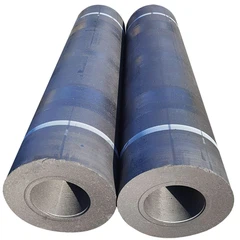
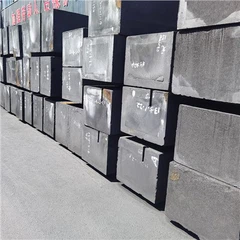
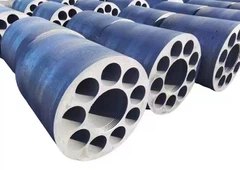
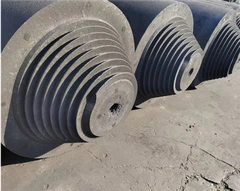
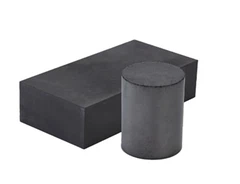

Main Uses of Graphite Electrodes
Apr 11, 2025
Leave a message
1. Electric Arc Furnaces
By conducting high voltage current from a power source, graphite electrodes create an arc that produces high temperatures of up to 3000°C. This usually occurs between the electrode tip and the scrap metal in the furnace, which is essential for melting the metal.
The heat generated by the arc causes the scrap to liquefy in a rapid melting process, thereby refining it into new steel products. You can control the temperature in the furnace by adjusting the current flowing through the graphite electrode. This depends on the intended steel grade and the desired characteristics.
Graphite electrodes in electric arc furnaces also facilitate oxygen injection. Here, oxygen is introduced to oxidize impurities in the steel, such as phosphorus, carbon and sulfur, thereby improving quality.
During the melting process, impurities rise to form slag. The arc generated by the graphite electrode helps the slag foam, which improves the energy efficiency of the furnace by acting as an insulator. The result is that heat is trapped inside the furnace, protecting the lining and reducing electrode wear.
Adding alloying elements to molten steel produces different steel grades. Graphite electrodes can control the heat generated, allowing for precise addition and mixing of alloys with steel. Such alloys include vanadium, chromium, and nickel.
2. Electrometallurgy of Minerals
Graphic electrodes are essential in the electrometallurgy of minerals and ores, helping to transform them into refined minerals or metals. By conducting an electric current into a smelting furnace, these electrodes create resistance heating or arcing, which produces the required extreme temperatures.
One such use is in the production of ferroalloys, essential for steelmaking, such as ferrosilicon, ferromanganese, ferrochrome, and ferronickel. These ferroalloys are made by reducing iron ore and combining it with other elements such as manganese, silicon, or chromium.
In addition, graphite electrodes find extensive use in the production of silicon and calcium carbide. The production is carried out in submerged arc furnaces with high-temperature reactions. Calcium carbide is used to produce acetylene gas, while silicon carbide is used as an abrasive and ceramic material.
In electrometallurgy, graphite electrodes reduce metal ores, converting metal oxides into pure metals. This is achieved by applying high heat to initiate a chemical reaction that causes the oxygen to separate from the metal.
3. Submerged Steel Furnaces
Graphite electrodes are used in Submerged Arc Furnaces (SAF) commonly used in steel production. The electrodes conduct the current into the furnace, where they extend and are immersed in the raw material mixture.
When the current passes through the electrodes, an arc is generated, which can reach heat of more than 3000°C. This heat is sufficient to smelt and melt the raw materials for the production of steel or other related components.
However, these graphite electrodes can be used to reduce iron ore to produce liquid iron, which is then refined into steel. During the smelting process, impurities form slag, and graphite electrodes can handle the slag by slag foaming. This improves energy efficiency.
During the submerged arc process, the tip of the graphite electrode is in direct contact with the raw material mixture, which improves heat transfer. Therefore, the energy of the electrode is effectively used for melting and refining the steel.
4. Foundries
Graphite electrodes are mainly used in foundries for high-temperature processes such as smelting and refining metals. Foundries can process cast metals such as cast iron and steel as well as non-ferrous metals such as brass, aluminum and brass.
Graphite electrodes are used in foundries to melt scrap metal or raw materials by conducting electrical energy in an electric arc furnace. The heat generated can reach temperatures of over 3000°C, which is high enough to effectively melt steel, iron, and other alloys.
Foundries that employ graphite electrodes produce alloys by melting base metals with other elements to achieve specified properties. These electrodes provide the controlled heat required to precisely melt and mix the metals, resulting in high-quality alloys.
Graphite electrodes are also used in foundries' ladle furnaces where the molten metal requires further refining to adjust the chemical composition. This is typically accomplished by removing impurities or adding alloying elements. Supplemental heating keeps the molten metal at a temperature sufficient for refining.
Cast iron foundries use graphite electrodes for arc melting to produce cast iron from scrap and pig iron. The heat generated melts the raw materials and keeps them molten during the casting process. This is used to produce cast iron items such as engine blocks.
Casting applications using graphite crucibles and molds utilize graphite electrodes as a component material. This is due to their high temperature resistance and excellent thermal conductivity. Such crucibles melt metals such as gold and silver, where resistance to contamination is critical.
5. Electrospark machining
Graphite electrodes are Electrospark machining (EDM), which uses electrical sparks to shape and machine materials. This unconventional machining process uses electric sparks between an electrode and a submerged workpiece, usually in a dielectric fluid.
This EDM electrode is usually formed in the desired geometry, evaporating the material through electrical discharge, achieving precise shaping. The excellent electrical conductivity of graphite ensures efficient spark generation and controlled material removal.
EDM can process hard and difficult-to-cut materials that cannot be met by traditional alternatives. These materials include tool steels, hardened steels, and tungsten carbide. This is thanks to the hardness and heat resistance of the graphite electrode.
In this case, graphite electrodes support high-precision applications that require fine geometries and tight tolerances. You can machine complex shapes such as injection molds, die-casting molds, and precision components used in aerospace and automotive applications.
Graphite electrodes are preferred in EDM because of their durability and resistance to wear at high temperatures. During this process, the electrode and workpiece are exposed to high heat generated by the sparks. Nonetheless, graphite can withstand these temperatures without significant wear.
While you can substitute copper for graphite electrodes, the latter is a more cost-effective alternative. Graphite is also easier to machine into complex shapes, which reduces manufacturing time. Graphite is also lighter and easier to handle than copper.
6. Ladle Furnace
Ladle furnaces are auxiliary metallurgical furnaces used to refine and treat molten steel at the appropriate temperature before casting. Graphite electrodes are immersed in the molten steel and powered to provide electrical energy to heat the molten steel. These furnaces are used to produce specialty steels such as high carbon steel, low alloy steel, and tool steel.
The role of graphite electrodes in refining steel in ladle furnaces extends to processes such as alloying, deoxidation, or desulfurization before casting. These processes may involve the addition of alloying elements such as chromium, nickel, or vanadium to achieve the desired properties.
The heat generated by the electrodes thoroughly mixes these alloying elements with the molten steel. This results in a uniform composition, which improves the final quality of the product. The key is to provide precise temperature control, which can be achieved using graphite electrodes.
Homogenization helps prevent segregation of alloying elements or impurities, which can lead to defects in the final product. In addition, keeping the steel in a molten state allows for vacuum degassing. This ensures that dissolved gases such as hydrogen and nitrogen are effectively removed without solidification.
Using graphite electrodes in the ladle furnace to control the temperature of the molten steel helps to minimize thermal shock to the refractory lining of the ladle. This reduces downtime and maintenance work, extending the service life of the ladle.
Graphite electrodes in the ladle furnace also improve the overall energy efficiency of steel production compared to traditional ladle heating methods. The high electrical conductivity of graphite also ensures efficient energy transfer, which reduces consumption and operating costs.
7. Graphitization process
During the graphitization process, graphite electrodes convert carbonaceous materials such as carbon electrodes or petroleum coke into graphite. The process requires a lot of heat, subjecting the carbon compounds to structurally altered temperatures between 2400°C and 3000°C.
Graphite electrodes act as electrical conductors during the graphitization process, generating the intense heat required for the conversion of carbon to graphite. The conversion process is typically performed in a resistance furnace or Acheson furnace, with an electric current passed through the graphite electrodes.
The current generates heat through Joule heating, raising the temperature of the carbon material until it can support graphitization. The heat causes the carbon atoms to rearrange, forming the hexagonal crystal structure of graphite.
Using graphite electrodes allows you to maintain extremely high temperatures for long periods of time. This is essential for completing the graphitization process, which can take several days to completely convert carbon to graphite.
Graphite electrodes are suitable for such uses because they can withstand extremely high temperatures without deteriorating or melting. In addition, during the graphitization process, these electrodes ensure uniform heat distribution, which is essential for uniform carbon conversion.
8. Battery Manufacturing
Graphite electrodes play a central role in battery manufacturing, often used as anode materials, especially in lithium-ion batteries. The use of graphite electrodes in batteries is due to graphite's excellent electrical conductivity, chemical stability, and superior charge/discharge efficiency.
Using graphite anodes provides batteries with excellent cycling stability and high energy density, making them ideal for long-life rechargeable batteries. The high energy density is attributed to graphite's ability to hold a large number of lithium ions, resulting in a high storage capacity.
With graphite, battery life is greatly improved, allowing for multiple charge and discharge cycles without significant performance degradation. This is critical for applications such as electric vehicles (EVs) and stationary energy storage systems.
Graphite electrodes are ideal due to their abundance and relative affordability compared to other anode materials. Additionally, you can use graphite electrodes with different battery chemistries, making them a highly flexible and adaptable material.
The high electrical conductivity of graphite electrodes ensures efficient energy transfer within the battery, minimizing energy losses during the charge/discharge cycle. Batteries using graphite electrodes have a fast flow of electrons, which helps achieve better power output and faster charging times.
The thermal stability of graphite enables it to operate over a wide temperature range without degradation, which enhances the thermal management of the battery. This prevents overheating and thermal runaway, allowing these batteries to be safely used in demanding environments such as hot climates.
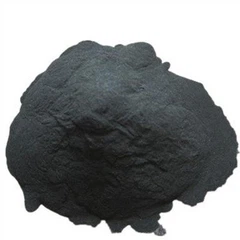
Batteries using graphite electrodes have high coulombic efficiency and can maintain a large charge ratio during the charge/discharge cycle. Graphite can also be formed and processed into various shapes for use in batteries. Depending on the battery design, graphite can be powder, foil or flake.
9. Glass smelting
Graphite electrodes are at the heart of molten glass production and help generate the high temperatures required to melt glass raw materials. In glass smelting, graphite electrodes are used in electric melting furnaces to efficiently transmit energy and generate heat for the glassmaking process.
Graphite electrodes are used as electrical conductors in glass melting furnaces. When current passes through the graphite electrodes, strong heat is generated due to the Joule heating effect, resulting in high temperatures.
The high conductivity of graphite electrodes means less energy waste in the smelting process. Therefore, the overall energy consumption is lower compared to other traditional methods.
In addition, graphite electrodes heat evenly, which minimizes defects and ensures uniform melting of raw materials. Its excellent thermal stability can withstand extreme glass melting temperatures without performance degradation.
Glass smelting is highly corrosive due to the chemical properties of molten glass and the gases released. Nonetheless, graphite electrodes have good corrosion resistance, ensuring their long service life and reducing the need for frequent replacement, thereby reducing operating costs.
10. Electrolytic Processes
In electrolytic processes, an electric current is used to drive chemical reactions, such as decomposing compounds, producing elements, or refining metals. Graphite electrodes are used in electrolytic processes due to their chemical stability, excellent electrical conductivity, and corrosion resistance.
In the production of chlorine and sodium hydroxide, graphite electrodes are often used as anodes to facilitate the electrolysis of brine. Although the process is highly reactive, the corrosion resistance of graphite leads to the production of chlorine, sodium hydroxide, and hydrogen.
Graphite electrodes are also widely used in the electrolytic refining of metals such as copper, aluminum, and zinc. In this process, the impure metal acts as the anode and the graphite provides a stable conductive surface for the metal to be deposited.
Applications of Graphite Electrodes as Anodes Electrolytic Deposition helps to extract pure metals such as gold, copper, and silver from ores or solutions. Alternatively, in electroplating, graphite electrodes are used as anodes to oversee the deposition of a thin metal layer onto the surface of another material.
In the electrolysis of water to produce hydrogen, graphite electrodes are widely used because of their corrosion resistance. In the industrial production of aluminum, graphite electrodes serve as anodes to help electrolytically reduce aluminum oxide to aluminum metal.
Fluorine gas is produced by the electrolysis of hydrofluoric acid, as graphite electrodes can withstand corrosive environments. Similarly, graphite electrodes can be used in the electrocoagulation process for wastewater treatment.
11. Ceramic Manufacturing
Electric furnaces used to fire and sinter ceramics use graphite electrodes to provide the electrical energy to heat the kiln. Sintering involves heating the ceramic powder to a temperature just below its melting point. This causes the particles to bind together to form a dense solid structure.
As heating elements in electric kilns for ceramic production, graphite electrodes conduct electrical current to raise temperatures to over 2000°C. However, the temperature can be controlled with graphite electrodes to more closely monitor quality.
Using graphite electrodes, you can reach the high temperatures required to sinter technical ceramics such as zirconium oxide, aluminum oxide, and silicon carbide. Additionally, in ceramic production, the use of graphite electrodes in resistance heating applications can directly heat the ceramic material, thereby improving energy efficiency.
When manufacturing refractory ceramics (high heat resistance), graphite electrodes are the material of choice due to their high temperature resistance. Graphite electrodes can also be integrated into ceramic materials to enhance the thermal or electrical properties of the material.
12. Nuclear Reactors
While graphite electrodes are not explicitly used in nuclear reactors, graphite as a material is used as a moderator. The role of graphite as a neutron moderator is to slow down fast-moving neutrons. Slowing down these neutrons allows them to more effectively sustain a nuclear fission chain reaction.
In certain nuclear reactors, such as high-temperature gas-cooled reactors, graphite is used as a structural material in addition to being a moderator. It is particularly suitable for use in reactor cores and fuel elements due to its excellent thermal conductivity and high temperature resistance.
Graphite can also reflect neutrons back into the core, thereby increasing the overall efficiency of the neutrons and the reactor. Reflecting neutrons can reduce the demand for nuclear fuel required to sustain a chain reaction, thereby extending the life of the reactor. You can learn more about graphite nuclear reactors.
Send Inquiry