


Ladle Furnaces with Graphite Electrodes
Nov 08, 2024
Leave a message
First Ladle Furnaces were constructed in the middle of the 1960s by ASEA in Sweden. In the manufacturing process, ladle was put down in a chamber which had two lids, one for vacuum treatment and the other lid with three electrodes for heating. Another method is introduced with one vacuum-tight lid through which the electrodes were inserted. The construction was technically demanding with vacuum-tight electrode lead-ins. People name this kind of technology as generally called VAD. It has spread moderately although heating under atmospheric pressure is much more common. In the metallurgical process, it introduced an extra specialty, namely, inductive stirring in ladles. While the inductive power has been applied, the ladle wall inside the induction coil cannot be ferromagnetic material like carbon steel but was made of nonmagnetic austenitic stainless steel.
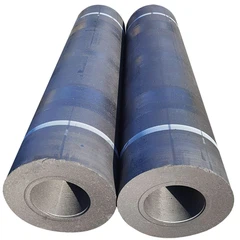
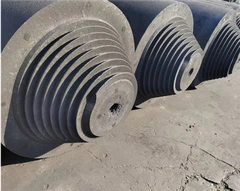
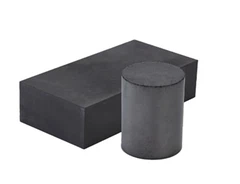
The production of steel generally encompasses primary steel-making and secondary treatment procedures. After the primary treatment process, the generated molten steel is cast into ladle furnaces. Such ladle furnaces heat the steel from the primary stage using three graphite electrodes that are connected to an arc-transformer. The process of EAF in steelmaking and Ladle Furnace in refining center have been indicated as follows:

Xinhui Carbon has built up great partnerships with the steelmaking factories across the continents. The team works to support our customers with high quality products that meet the demanding needs of a modern melt shop as well as bringing our experience and technical skills to facilities. Xinhui Carbon utilizes a global footprint that creates proximity between our products and all final customers.
Send Inquiry