


Consumption mechanism of graphite electrode in electric furnace steelmaking process
Dec 13, 2024
Leave a message
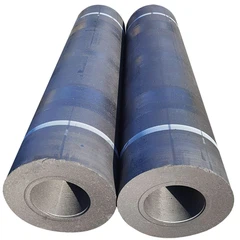
As a conductive material in electric arc furnace smelting, the consumption of graphite electrodes is proportional to the consumption of electrical power. Modern electric arc furnace steelmaking uses electrical and chemical energy as thermal energy sources to achieve the goals of four reductions (P, C, O, S), two reductions (gas, impurities), and two adjustments (temperature, composition) in the steelmaking process. The performance of graphite electrodes is mainly reflected in their suitability and consumption among users, and the consumption of electrodes is directly related to their own quality. The consumption of graphite electrodes in electric arc furnace smelting mainly consists of the following parts.
1. Consumption of graphite electrode end and outer circular surface inside the electric furnace
The arc generated by graphite electrodes in electric arc furnaces can be classified into long, medium, and short arcs, while the melting of furnace materials and temperature rise depend on the arc power. The arc length is directly proportional to the secondary voltage and inversely proportional to the secondary current and heating rate. In order to significantly shorten the smelting time and improve the smelting speed, high chemical energy operation of forced oxygen blowing is adopted, which puts higher requirements on the oxidation resistance and thermal shock resistance of graphite electrodes. The end consumption of graphite electrodes in smelting includes sublimation generated during high temperature arc and chemical reactions generated during contact with molten steel and steel slag. The oxidation loss of graphite electrodes accounts for about 2/3 of the total consumption, which is the product of unit oxidation rate and area and is proportional to time. The longer the heating time in smelting, the greater the consumption. Therefore, it is necessary to install a water-cooled spray system on the electrodes of electric arc furnaces. In normal smelting, the carbon content of graphite electrodes entering the molten steel is generally around 0.01%, and it is normal for the end consumption switch to have a non conical shape.
2. Residual consumption of graphite electrodes generated during smelting
Residual consumption refers to the non productive consumption of the lowest electrode in smelting, which falls into the furnace due to some reasons and becomes the final waste product, leaving the production process. The generation of residues is not only related to the intrinsic quality of the joints and electrodes, but also directly related to factors such as the distribution of fabrics in the furnace, the atmosphere inside the furnace, and the power transmission operation. The main appearance phenomena are: there are "human" shaped cracks and large longitudinal or splitting cracks at the bottom of the residual body; The connection is not tight enough, causing the joint to oxidize and fall off or break first; The connection is not in place or the fit is not good, resulting in detachment or breakage; The electrode breaks at the bottom of the joint or hole due to external force; The electrode is subjected to external force, causing the joint or hole to break; Improper material distribution in the furnace can result in a large area of collapsed material after passing through the well, or improper operation of the power transmission curve can cause serious electrode breakage; The electrode itself has poor quality, etc. This part of the loss is not significant in normal production while ensuring the quality of the electrode, but the direct users attach great importance to it.
Send Inquiry