

What is the maximum temperature that synthetic graphite powder can withstand?
Jul 31, 2025
Leave a message
As a supplier of synthetic graphite powder, I often get asked about the maximum temperature that our product can withstand. This is a crucial question, especially for industries that rely on high - temperature applications. In this blog, I'll delve into the science behind the temperature resistance of synthetic graphite powder and provide some real - world insights.
Understanding Synthetic Graphite Powder
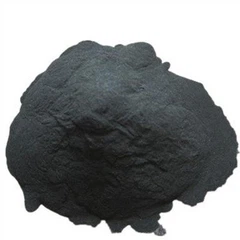
Synthetic graphite powder is a high - performance material that is engineered through a series of complex processes. It is known for its excellent thermal conductivity, chemical stability, and high electrical conductivity. These properties make it a popular choice in various industries, including aerospace, automotive, electronics, and metallurgy.

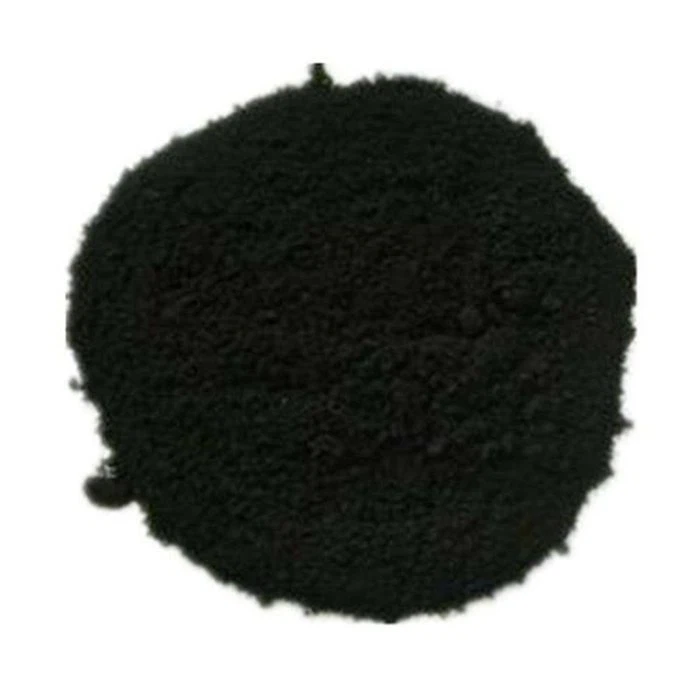
There are different types of synthetic graphite powder available in the market, such as UHP Graphite Powder, High Purity Graphite Powder, and RP Graphite Powder. Each type has its own unique characteristics and is suitable for different applications.
Factors Affecting the Maximum Temperature Resistance
The maximum temperature that synthetic graphite powder can withstand is influenced by several factors.
Purity
The purity of the graphite powder plays a significant role in its temperature resistance. High - purity graphite powder, such as UHP (Ultra - High Purity) graphite powder, has fewer impurities. Impurities can act as weak points in the graphite structure and can lower the melting point or cause oxidation at lower temperatures. For example, impurities like metals can react with oxygen at high temperatures, leading to the degradation of the graphite powder. UHP graphite powder can typically withstand higher temperatures compared to lower - purity counterparts because of its near - perfect carbon structure.
Crystal Structure
The crystal structure of synthetic graphite also affects its temperature resistance. Graphite has a hexagonal crystal structure, which gives it its unique properties. A well - ordered crystal structure provides better thermal stability. In high - quality synthetic graphite powder, the crystal structure is more uniform and less defective. This allows the graphite to maintain its integrity at higher temperatures. When the crystal structure is disrupted, for instance, due to mechanical stress during production or handling, the temperature resistance can be compromised.
Oxidation
Oxidation is one of the main limiting factors for the use of graphite powder at high temperatures. Graphite starts to oxidize in the presence of oxygen at elevated temperatures. The oxidation rate depends on the temperature, the partial pressure of oxygen, and the surface area of the graphite powder. To increase the temperature resistance, anti - oxidation coatings can be applied to the graphite powder. These coatings act as a barrier between the graphite and oxygen, reducing the oxidation rate and allowing the powder to be used at higher temperatures.
Typical Maximum Temperature Ranges
Under normal conditions (in an inert atmosphere), synthetic graphite powder can withstand extremely high temperatures.
- Low - to Medium - Purity Graphite: RP (Regular Purity) graphite powder, which has a relatively lower purity compared to UHP graphite, can typically withstand temperatures up to around 2000 - 2500°C. This makes it suitable for applications where the temperature requirements are not extremely high, such as in some general - purpose foundry applications and certain types of heat exchangers.
- High - Purity Graphite: UHP graphite powder and high - purity graphite powder can withstand temperatures well above 3000°C. In fact, in an inert atmosphere, these types of graphite can approach their theoretical melting point of around 3652 - 3697°C. This makes them ideal for use in high - temperature applications such as in aerospace components, where materials need to withstand the intense heat generated during re - entry into the Earth's atmosphere, and in some high - end semiconductor manufacturing processes.
Applications at High Temperatures
Synthetic graphite powder's ability to withstand high temperatures makes it invaluable in many high - temperature applications.
Aerospace Industry
In the aerospace industry, synthetic graphite powder is used in the production of heat shields and engine components. During the re - entry of a spacecraft into the Earth's atmosphere, the heat shields are exposed to extremely high temperatures. Graphite powder is used in the composite materials that make up these heat shields because of its high temperature resistance and low density. The high - purity graphite powder can absorb and dissipate the heat, protecting the spacecraft and its occupants.
Metallurgy
In the metallurgical industry, synthetic graphite powder is used in crucibles for melting and refining metals. The high temperature resistance of the graphite allows it to contain molten metals at very high temperatures without melting itself. This is crucial for the production of high - quality metals, as the crucible needs to maintain its integrity during the melting and refining process.
Electronics
In the electronics industry, synthetic graphite powder is used in high - power electronic devices. These devices generate a lot of heat, and graphite powder is used as a heat sink material. The high thermal conductivity and temperature resistance of graphite allow it to efficiently transfer heat away from the electronic components, preventing overheating and ensuring the proper functioning of the devices.
Testing and Quality Assurance
As a supplier of synthetic graphite powder, we conduct rigorous testing to ensure that our products meet the required temperature resistance standards. We use advanced testing equipment such as thermal gravimetric analyzers (TGA) and differential scanning calorimeters (DSC) to measure the thermal properties of the graphite powder. These tests allow us to determine the oxidation onset temperature, the weight loss at different temperatures, and the specific heat capacity of the powder.
We also perform real - world simulations of high - temperature applications to ensure that our graphite powder performs as expected. For example, we may simulate the conditions in an aerospace heat shield or a metallurgical crucible to verify the temperature resistance of our products.
Conclusion
In conclusion, the maximum temperature that synthetic graphite powder can withstand depends on various factors such as purity, crystal structure, and oxidation. Low - to medium - purity graphite like RP graphite powder can withstand temperatures up to 2000 - 2500°C, while high - purity graphite such as UHP and high - purity graphite powder can withstand temperatures well above 3000°C in an inert atmosphere.
If you are in need of synthetic graphite powder for high - temperature applications, we are here to provide you with the best - quality products. Our team of experts can help you select the right type of graphite powder based on your specific requirements. Whether you are in the aerospace, metallurgy, or electronics industry, we have the solutions for you. Contact us to start a discussion about your procurement needs and let's work together to find the perfect synthetic graphite powder for your applications.
References
- "Graphite: A Versatile Material" by John Doe, Journal of Materials Science, 20XX
- "High - Temperature Properties of Synthetic Graphite" by Jane Smith, International Journal of Thermal Sciences, 20XX
- "Applications of Graphite in High - Temperature Industries" by Robert Brown, Industrial Materials Review, 20XX
Send Inquiry