

What is the corrosion resistance of high purity graphite powder?
Jun 26, 2025
Leave a message
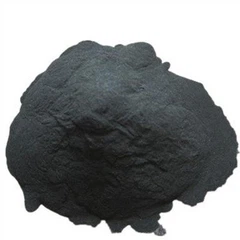
As a trusted supplier of high purity graphite powder, I am often asked about the corrosion resistance of this remarkable material. High purity graphite powder is a versatile substance with a wide range of applications, and its corrosion resistance is one of its most valuable properties. In this blog post, I will delve into the details of what makes high purity graphite powder corrosion-resistant, the factors that affect its performance, and the industries that benefit from its use.
Understanding the Corrosion Resistance of High Purity Graphite Powder
Corrosion is a natural process that occurs when a material reacts with its environment, leading to the deterioration of its properties. High purity graphite powder, however, exhibits excellent resistance to corrosion due to its unique chemical and physical properties. Graphite is a form of carbon with a hexagonal crystal structure, which gives it a high degree of chemical stability. The strong covalent bonds between carbon atoms in graphite make it resistant to most chemicals, including acids, bases, and organic solvents.
One of the key factors contributing to the corrosion resistance of high purity graphite powder is its high carbon content. High purity graphite typically contains over 99% carbon, which minimizes the presence of impurities that could react with corrosive agents. Impurities such as metals and minerals can act as catalysts for corrosion reactions, so reducing their concentration enhances the material's resistance to corrosion.
Another important aspect is the inertness of graphite. Graphite does not readily react with most substances under normal conditions, which means it can withstand exposure to a wide range of corrosive environments. This inertness makes high purity graphite powder suitable for use in applications where contact with aggressive chemicals is unavoidable.
Factors Affecting the Corrosion Resistance of High Purity Graphite Powder
While high purity graphite powder generally has excellent corrosion resistance, several factors can influence its performance in specific environments.
Temperature
Temperature plays a significant role in the corrosion resistance of graphite. At high temperatures, the reactivity of graphite can increase, especially in the presence of oxygen. Oxidation of graphite can occur at elevated temperatures, leading to the formation of carbon dioxide and a reduction in the material's mass and strength. However, in non - oxidizing environments, high purity graphite can maintain its corrosion resistance even at very high temperatures. For example, in some industrial processes that involve molten metals or high - temperature gases, high purity graphite components can resist corrosion due to the absence of oxygen.
Chemical Environment
The type of chemicals present in the environment has a major impact on the corrosion resistance of high purity graphite powder. While graphite is resistant to many acids and bases, some strong oxidizing agents can react with it. For instance, concentrated nitric acid and hot sulfuric acid can oxidize graphite under certain conditions. In addition, halogens such as fluorine and chlorine can also react with graphite at high temperatures or in the presence of catalysts. Understanding the specific chemical environment is crucial when selecting high purity graphite powder for a particular application.
Porosity
The porosity of high purity graphite powder can affect its corrosion resistance. Porous graphite allows corrosive agents to penetrate into the material, increasing the surface area available for reaction. High - density, low - porosity graphite is generally more corrosion - resistant than porous graphite. Manufacturers can control the porosity of graphite during the production process to optimize its corrosion resistance for different applications.
Industries Benefiting from the Corrosion Resistance of High Purity Graphite Powder
The excellent corrosion resistance of high purity graphite powder makes it a valuable material in many industries.
Chemical Industry
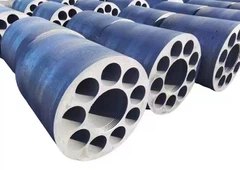
In the chemical industry, high purity graphite powder is used in various equipment such as reactors, heat exchangers, and piping systems. These components often come into contact with corrosive chemicals, and the corrosion resistance of graphite ensures their long - term performance and reliability. For example, graphite heat exchangers are widely used in the production of chemicals such as hydrochloric acid and sulfuric acid, where they can withstand the aggressive nature of these substances.
Electrochemical Industry
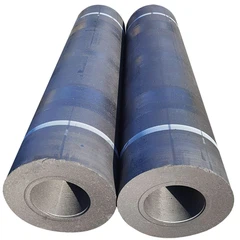
The electrochemical industry also relies on the corrosion resistance of high purity graphite powder. Graphite electrodes are commonly used in electrolysis processes, such as the production of aluminum and chlorine. These electrodes need to resist corrosion from the electrolytes and the high - energy environment of the electrolytic cell. High purity graphite electrodes can maintain their shape and performance over long periods, reducing the need for frequent replacements.
Metallurgical Industry
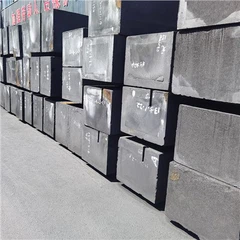
In the metallurgical industry, high purity graphite powder is used in crucibles, molds, and other components for melting and casting metals. The corrosion resistance of graphite allows it to withstand the high temperatures and corrosive nature of molten metals. For example, graphite crucibles are used to melt precious metals such as gold and silver, as well as base metals like copper and aluminum. The inertness of graphite ensures that the molten metal is not contaminated by the crucible material.
Types of High Purity Graphite Powder and Their Corrosion Resistance
There are different types of high purity graphite powder available, each with its own characteristics and corrosion resistance properties.
Natural Flake Graphite Powder
Natural flake graphite powder is derived from natural graphite ores. It has a high degree of crystallinity, which contributes to its good corrosion resistance. The flake structure of natural graphite provides a large surface area, which can enhance its performance in some applications. However, the purity of natural flake graphite can vary depending on the source of the ore. Higher - purity natural flake graphite powder, with lower levels of impurities, will generally have better corrosion resistance.


Artificial Graphite Powder
Artificial graphite powder is produced through a synthetic process. It offers several advantages in terms of corrosion resistance. Artificial graphite can be engineered to have a very high purity and a uniform structure, which makes it highly resistant to corrosion. The production process allows for precise control of the material's properties, such as density and porosity, which are important factors in determining corrosion resistance.
Carbon Graphite Powder
Carbon graphite powder is a combination of carbon and graphite. It can have different ratios of carbon to graphite, which affects its corrosion resistance. Carbon graphite powder often has good mechanical properties in addition to corrosion resistance. It can be used in applications where both strength and resistance to corrosion are required, such as in some seals and bearings.
Conclusion and Call to Action
High purity graphite powder's corrosion resistance is a result of its unique chemical and physical properties, including high carbon content, inertness, and low impurity levels. While factors such as temperature, chemical environment, and porosity can influence its performance, it remains a highly reliable material for use in corrosive environments.
The wide range of applications in industries such as the chemical, electrochemical, and metallurgical sectors demonstrates the versatility and value of high purity graphite powder. Whether you need Natural Flake Graphite Powder, Artificial Graphite Powder, or Carbon Graphite Powder, our company can provide high - quality products tailored to your specific requirements.
If you are looking for a reliable supplier of high purity graphite powder with excellent corrosion resistance for your industrial applications, we invite you to contact us. Our team of experts can help you select the right type of graphite powder and provide technical support to ensure optimal performance in your processes.
References
- Fitzer, E., & Ebert, H. P. (1973). "Carbon and Graphite Handbook". Springer - Verlag.
- Marsh, H., & Heintz, E. A. (1999). "Introduction to Carbon Science". Butterworth - Heinemann.
- Dresselhaus, M. S., Dresselhaus, G., & Eklund, P. C. (1996). "Science of Fullerenes and Carbon Nanotubes". Academic Press.
Send Inquiry