

What is the corrosion resistance of a graphite block?
Nov 27, 2025
Leave a message
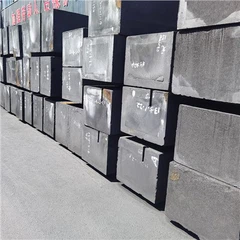
Corrosion resistance is a crucial property when considering the use of graphite blocks in various industrial applications. As a trusted graphite block supplier, I understand the significance of this characteristic and its impact on the performance and longevity of graphite products. In this blog, I will delve into what corrosion resistance of a graphite block entails, factors influencing it, and its implications for different industries.
Understanding Corrosion Resistance of Graphite Blocks
Corrosion resistance refers to the ability of a material to withstand chemical attack, oxidation, and degradation when exposed to various corrosive environments. Graphite blocks possess inherent corrosion - resistant properties, primarily due to their unique chemical structure. Graphite is composed of carbon atoms arranged in a hexagonal lattice structure, which provides stability and makes it less reactive with many chemicals.


One of the key reasons for the excellent corrosion resistance of graphite is its high carbon content and chemical inertness. It can resist attack from a wide range of acids, alkalis, and solvents at room temperature. For example, graphite blocks are highly resistant to sulfuric acid, hydrochloric acid, and phosphoric acid, which are commonly used in chemical processing industries. This resistance allows graphite blocks to be used in equipment such as reactors, heat exchangers, and storage tanks in these harsh chemical environments.
Factors Influencing the Corrosion Resistance of Graphite Blocks
Purity of Graphite
The purity of graphite plays a significant role in its corrosion resistance. High - purity graphite blocks have fewer impurities, which reduces the likelihood of chemical reactions with corrosive agents. Impurities can act as sites for corrosion initiation, accelerating the degradation of the graphite material. As a supplier, we ensure that our graphite blocks are produced with high - quality raw materials to achieve a high level of purity, thus enhancing their corrosion resistance.
Porosity
Porosity is another important factor. Graphite blocks with low porosity are more corrosion - resistant because there are fewer pathways for corrosive substances to penetrate the material. During the manufacturing process, we use advanced techniques to control the porosity of our graphite blocks. By reducing porosity, we can improve the overall integrity of the material and its ability to resist corrosion.
Temperature
Temperature can have a profound impact on the corrosion resistance of graphite blocks. At higher temperatures, the chemical reactivity of graphite with certain substances may increase. For instance, in the presence of oxygen at elevated temperatures, graphite can undergo oxidation. However, our graphite blocks are designed to perform well within specific temperature ranges. We provide detailed technical specifications to our customers, indicating the maximum temperature limits for different applications to ensure optimal corrosion resistance.
Corrosion Resistance in Different Industrial Applications
Powder Metallurgy
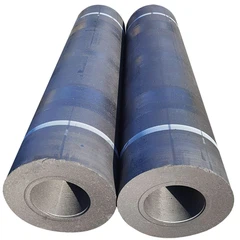
In powder metallurgy, graphite electrode blocks are widely used. The corrosion resistance of these blocks is essential as they are often exposed to high - temperature and chemically reactive environments during the sintering process. Our Graphite Electrode Blocks For Powder Metallurgy are specifically engineered to withstand the corrosive conditions in powder metallurgy applications. They can resist the attack of various metal powders and additives, ensuring a long service life and consistent performance.
Glass Melting
Graphite electrode blocks are also crucial in glass melting processes. The glass - melting environment is highly corrosive, with molten glass and various fluxes present. Our Graphite Electrode Blocks For Glass Melting have excellent corrosion resistance, allowing them to maintain their structural integrity and electrical conductivity in this harsh environment. This ensures efficient and reliable glass - melting operations.
Resistance Furnaces
In resistance furnaces, graphite electrode plates are used. These plates need to resist corrosion from the heating elements, as well as any reactive gases or molten metals present in the furnace. Our Graphite Electrode Plates For Resistance Furnaces are designed to have superior corrosion resistance, enabling them to operate effectively in high - temperature and corrosive furnace environments.
Testing and Quality Assurance
As a responsible graphite block supplier, we conduct rigorous testing to ensure the corrosion resistance of our products. We use a variety of methods, including immersion tests in different corrosive solutions, to evaluate the performance of our graphite blocks. These tests allow us to accurately assess the corrosion rate and determine the suitability of our products for specific applications.
We also adhere to international quality standards and industry best practices. Our quality control team monitors every step of the manufacturing process, from raw material selection to the final product inspection. This ensures that our graphite blocks meet or exceed the expectations of our customers in terms of corrosion resistance and overall performance.
Benefits of Using Corrosion - Resistant Graphite Blocks
Cost - Effectiveness
Using corrosion - resistant graphite blocks can lead to significant cost savings in the long run. Since these blocks have a longer service life, there is less frequent need for replacement. This reduces maintenance costs and downtime, resulting in increased productivity and lower overall operating costs for our customers.
Improved Product Quality
In industries such as powder metallurgy and glass melting, the corrosion resistance of graphite blocks can directly impact the quality of the final product. By preventing contamination from corroded materials, our graphite blocks help ensure the purity and consistency of the products being manufactured.
Conclusion
The corrosion resistance of graphite blocks is a vital property that makes them suitable for a wide range of industrial applications. As a supplier, we are committed to providing high - quality graphite blocks with excellent corrosion resistance. Our products are designed to meet the diverse needs of our customers in different industries, from powder metallurgy to glass melting and resistance furnaces.
If you are interested in learning more about our graphite blocks or have specific requirements for your application, we invite you to contact us for a detailed discussion. Our team of experts is ready to assist you in selecting the most suitable graphite products for your needs and to provide you with comprehensive technical support.
References
- "Handbook of Graphite and Carbon Products" by R. E. Tressler, et al.
- "Corrosion Science and Engineering" by M. G. Fontana.
Send Inquiry