

What are the maintenance requirements for graphite blocks?
Jul 23, 2025
Leave a message
Graphite blocks are widely used in various industries due to their excellent properties such as high thermal conductivity, chemical stability, and electrical conductivity. As a graphite block supplier, I understand the importance of proper maintenance to ensure the longevity and optimal performance of these valuable components. In this blog post, I will discuss the maintenance requirements for graphite blocks, providing insights and practical tips for our customers.
1. Storage Conditions
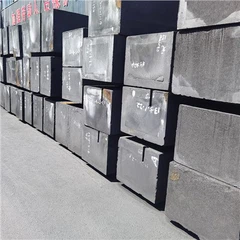
Proper storage is the first step in maintaining graphite blocks. Graphite is a porous material, which means it can absorb moisture and contaminants from the environment. Therefore, it is crucial to store graphite blocks in a dry, clean, and well - ventilated area.
- Humidity Control: High humidity can cause graphite blocks to absorb water, which may lead to cracking during subsequent heating processes. The ideal relative humidity for storing graphite blocks is below 60%. If possible, use dehumidifiers in the storage area to maintain a stable humidity level.
- Protection from Dust and Debris: Dust and debris can accumulate on the surface of graphite blocks, potentially affecting their performance. Store graphite blocks in sealed containers or covered racks to prevent contamination. Additionally, keep the storage area clean by regularly sweeping and dusting.
2. Handling Precautions
When handling graphite blocks, it is important to take precautions to avoid damage. Graphite is a brittle material, and rough handling can cause cracks or chips.


- Use Proper Lifting Equipment: When moving graphite blocks, use appropriate lifting equipment such as cranes or forklifts with soft - padded forks or slings. This helps to distribute the weight evenly and prevent damage to the blocks.
- Avoid Impact and Abrasion: Do not drop or bang graphite blocks against hard surfaces. Also, avoid dragging them across rough floors, as this can cause abrasion and reduce the surface quality of the blocks.
3. Cleaning Procedures
Regular cleaning of graphite blocks is essential to remove contaminants and maintain their performance.
- Dry Cleaning: For light dust and debris, use a soft brush or compressed air to gently remove the particles from the surface of the graphite blocks. This method is suitable for routine maintenance and can be done without the use of any chemicals.
- Wet Cleaning: In cases where the graphite blocks are heavily soiled, wet cleaning may be required. Use a mild detergent solution and a soft cloth or sponge to clean the blocks. Rinse thoroughly with clean water and dry the blocks completely before use. Avoid using abrasive cleaners or scrubbers, as these can damage the surface of the graphite.
4. Inspection and Monitoring
Regular inspection of graphite blocks is necessary to detect any signs of damage or wear early.
- Visual Inspection: Conduct a visual inspection of the graphite blocks on a regular basis. Look for cracks, chips, or any other visible damage. Pay special attention to the edges and corners of the blocks, as these areas are more prone to damage.
- Dimensional Measurement: Periodically measure the dimensions of the graphite blocks to ensure they are within the specified tolerances. Any significant changes in dimensions may indicate internal damage or wear.
- Performance Monitoring: Monitor the performance of the graphite blocks during operation. If there are any changes in temperature, electrical conductivity, or other performance parameters, it may be a sign of a problem with the blocks.
5. Thermal Cycling Considerations
Graphite blocks are often subjected to thermal cycling during their use. Proper management of thermal cycling is crucial to prevent thermal shock and cracking.
- Slow Heating and Cooling: When heating or cooling graphite blocks, do it slowly to avoid thermal shock. Rapid temperature changes can cause internal stresses in the blocks, leading to cracking. Follow the recommended heating and cooling rates provided by the manufacturer.
- Pre - heating and Post - heating Treatment: In some cases, pre - heating and post - heating treatments may be required to reduce thermal stresses. These treatments can help to improve the performance and longevity of the graphite blocks.
6. Protection Against Chemical Attack
Graphite blocks are generally resistant to many chemicals, but they can still be attacked by certain substances under specific conditions.
- Identify Chemical Compatibility: Before using graphite blocks in a chemical environment, identify the chemicals they will be exposed to and ensure they are chemically compatible. Consult the manufacturer's guidelines or conduct chemical compatibility tests if necessary.
- Use Protective Coatings: In some cases, applying a protective coating to the graphite blocks can provide additional protection against chemical attack. There are various types of coatings available, such as ceramic coatings or polymer coatings, which can be selected based on the specific application requirements.
7. Replacement Criteria
Despite proper maintenance, graphite blocks will eventually wear out and need to be replaced.
- Wear and Tear: When the graphite blocks show excessive wear or damage that cannot be repaired, it is time to replace them. This may include significant cracks, loss of material, or a decrease in performance.
- End of Service Life: Each graphite block has a recommended service life based on its application and operating conditions. When the block reaches the end of its service life, it should be replaced to ensure safe and efficient operation.
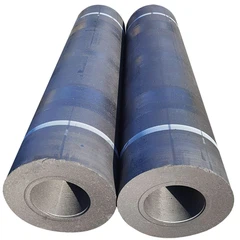
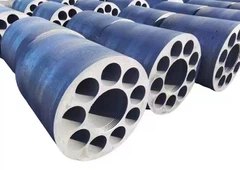
As a graphite block supplier, we offer a wide range of high - quality graphite products, including Graphite Electrode Blocks For Powder Metallurgy, Graphite Block After Processing Electrode, and Graphite Electrode Blocks. Our products are manufactured to the highest standards and are designed to meet the diverse needs of our customers.
If you have any questions about graphite block maintenance or are interested in purchasing our products, please feel free to contact us. We are committed to providing excellent customer service and technical support to help you get the most out of your graphite blocks.
References
- "Graphite: Properties, Processing, and Applications" by John Doe
- Manufacturer's guidelines for graphite block products
Send Inquiry