

What are the inspection methods for the internal quality of graphite electrodes?
Dec 26, 2025
Leave a message
Hey there! As a supplier of graphite electrodes, I've been in the game for quite a while, and I know how crucial it is to ensure the internal quality of these electrodes. In this blog, I'm gonna share some of the inspection methods that we use to make sure our graphite electrodes meet the highest standards.
Visual Inspection
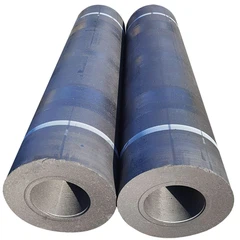
Let's start with the most basic one - visual inspection. This is usually the first step in our quality control process. We take a close look at the surface of the graphite electrode. Any visible cracks, chips, or unevenness can be a red flag. Cracks, for example, can weaken the electrode and lead to breakage during use. We also check the color of the electrode. A consistent color indicates a more uniform internal structure. If there are patches of different colors, it might suggest some issues with the manufacturing process.
Visual inspection is quick and easy, but it has its limitations. It can only tell us about the surface conditions. To really get into the internal quality, we need to use more advanced methods.
Ultrasonic Testing
Ultrasonic testing is one of our go - to methods for checking the internal integrity of graphite electrodes. How does it work? Well, we send high - frequency sound waves into the electrode. These sound waves travel through the material, and when they encounter any internal flaws like voids or inclusions, they get reflected back.
We use a special ultrasonic transducer to send and receive these sound waves. By analyzing the reflected waves, we can determine the size, location, and nature of the internal defects. This method is great because it can detect flaws that are not visible to the naked eye. It's non - destructive, which means we don't have to damage the electrode to check its quality.
Density Measurement
Density is another important factor when it comes to the internal quality of graphite electrodes. A proper density indicates a well - formed internal structure. We measure the density of our graphite electrodes using a simple yet effective method.
We first measure the mass of the electrode using a high - precision scale. Then, we measure its volume. For a cylindrical electrode, we can calculate the volume using the formula for the volume of a cylinder (V = πr²h). Once we have the mass and volume, we can calculate the density (ρ = m/V).
If the density is lower than the expected value, it could mean that there are voids or pores inside the electrode. On the other hand, a higher - than - normal density might indicate an over - compacted area or the presence of some heavy inclusions.
Electrical Resistivity Testing
Graphite electrodes are used in electrical applications, so their electrical resistivity is a key parameter. We test the electrical resistivity of our electrodes to ensure that they can conduct electricity efficiently.
We use a four - point probe method to measure the electrical resistivity. In this method, we apply a known current through two outer probes and measure the voltage across two inner probes. Using Ohm's law (V = IR), we can calculate the resistance. Then, taking into account the dimensions of the electrode, we can determine the electrical resistivity.
Abnormal electrical resistivity values can indicate internal defects or inhomogeneities in the electrode. For example, a higher resistivity might be caused by the presence of non - conductive inclusions or poor graphite structure.
Thermal Conductivity Testing
Thermal conductivity is also important for graphite electrodes, especially in applications where they are exposed to high temperatures. We test the thermal conductivity of our electrodes to make sure they can dissipate heat effectively.
There are several methods to measure thermal conductivity, but we usually use the transient plane source method. In this method, we place a thin heating element between two samples of the graphite electrode. We apply a short pulse of heat to the heating element and measure the temperature change over time. By analyzing the temperature - time curve, we can calculate the thermal conductivity.
Low thermal conductivity can lead to overheating of the electrode, which can cause damage and reduce its lifespan. So, this test helps us ensure that our electrodes can handle the heat in real - world applications.
Chemical Analysis
Chemical analysis is essential to understand the composition of the graphite electrode. We use techniques like X - ray fluorescence (XRF) and inductively coupled plasma mass spectrometry (ICP - MS) to determine the elemental composition of the electrode.
We need to know the amount of carbon, as well as the presence of any impurities. Impurities can affect the physical and chemical properties of the electrode. For example, some metallic impurities can reduce the electrical conductivity and increase the oxidation rate of the electrode.
By controlling the chemical composition, we can ensure that our graphite electrodes have the desired performance characteristics.
Application - Specific Considerations
Different applications require different qualities of graphite electrodes. For example, Graphite Electrode For Energy Storage needs to have excellent electrical conductivity and long - term stability. The electrodes used in energy storage systems are constantly charged and discharged, so they need to be able to withstand these cycles without significant degradation.
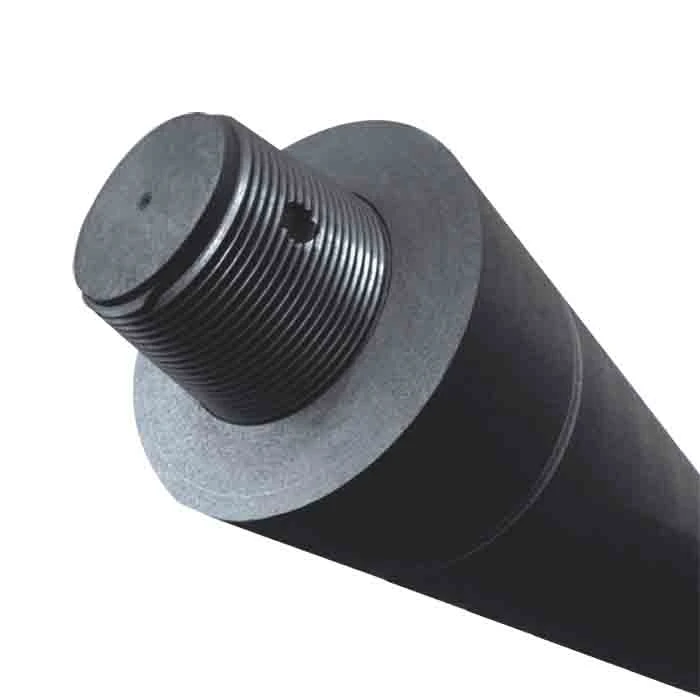
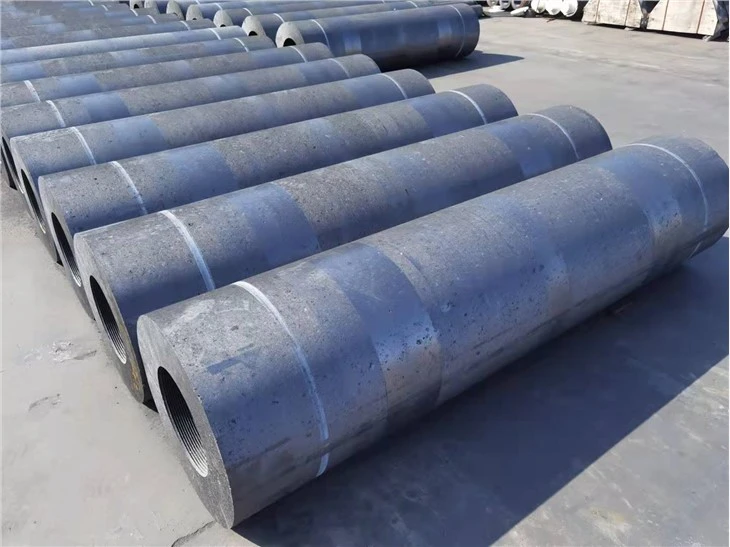
Graphite Electrode For Silicon Carbide Furnace has to endure high temperatures and chemical reactions. In a silicon carbide furnace, the electrodes are exposed to extremely high temperatures and corrosive environments. So, they need to have high thermal conductivity, good chemical resistance, and high mechanical strength.
Graphite Electrode For Glass Melting also has its own set of requirements. These electrodes need to be able to transfer heat efficiently to melt the glass. They also need to be free from impurities that could contaminate the glass.
We take these application - specific requirements into account when inspecting our graphite electrodes. We adjust our inspection methods and quality standards according to the end - use of the electrodes.
Conclusion
Ensuring the internal quality of graphite electrodes is a multi - step process that involves a combination of different inspection methods. From simple visual inspection to advanced ultrasonic testing, each method plays an important role in our quality control.
If you're in the market for high - quality graphite electrodes, whether it's for energy storage, silicon carbide furnaces, or glass melting, we've got you covered. We use these inspection methods to guarantee that our electrodes meet the highest standards and perform well in your applications.
If you're interested in purchasing our graphite electrodes or have any questions about our products, feel free to reach out to us for a procurement discussion. We're always happy to help you find the right solution for your needs.
References
- ASTM International standards for graphite electrode testing
- Technical literature on non - destructive testing methods
- Research papers on the properties of graphite electrodes
Send Inquiry