

What are the environmental impacts of using graphite blocks?
Oct 13, 2025
Leave a message
Graphite blocks are versatile materials with a wide range of applications in various industries, including metallurgy, chemical processing, and electronics. As a supplier of high - quality graphite blocks, I am well - aware of their numerous benefits, but I also understand the importance of addressing their environmental impacts. In this blog, I will explore the environmental implications of using graphite blocks from multiple perspectives.
1. Extraction and Mining
The first stage in the life cycle of graphite blocks is the extraction of graphite from mines. Graphite mining can have significant environmental impacts. Open - pit mining, which is a common method for extracting graphite, often leads to large - scale land disturbance. This can result in the destruction of natural habitats, displacing wildlife and plants. For example, in regions where graphite is mined extensively, forests may be cleared, and the soil structure can be severely damaged.
Moreover, the mining process consumes a large amount of water. Water is used for dust suppression, ore washing, and other operations. In water - scarce regions, this can exacerbate the water shortage problem. Additionally, the wastewater generated from mining activities often contains heavy metals and other pollutants. If not properly treated, these pollutants can contaminate nearby water sources, posing a threat to aquatic life and human health.
However, at our company, we are committed to responsible mining practices. We work with mining partners who adhere to strict environmental regulations. They implement measures to minimize land disturbance, such as reclamation and rehabilitation of mined areas. Water management is also a priority, with the use of advanced water treatment technologies to ensure that wastewater is treated before being released into the environment.
2. Processing and Manufacturing
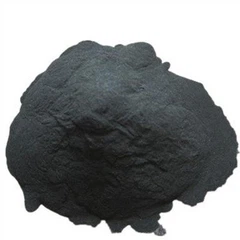
Once graphite is extracted, it needs to be processed into graphite blocks. The processing stage involves crushing, grinding, and purifying the graphite ore. These processes consume a significant amount of energy, mainly in the form of electricity. The energy consumption is associated with greenhouse gas emissions, especially if the electricity is generated from fossil fuels.
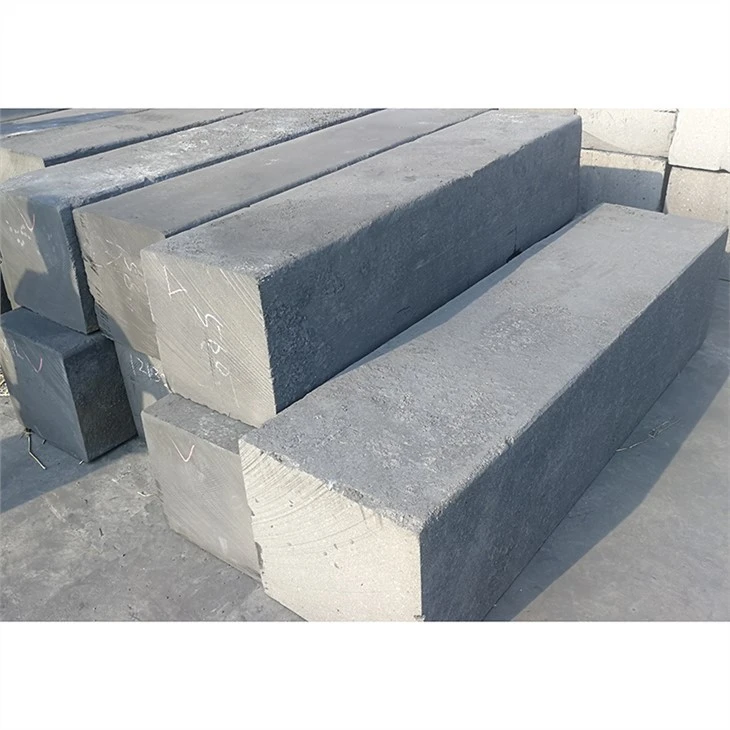

During the manufacturing of graphite blocks, various chemicals may be used for purification and shaping. For instance, acids and alkalis are often used in the purification process. If these chemicals are not handled properly, they can be released into the environment, causing soil and water pollution.
To mitigate these impacts, our manufacturing facilities are equipped with energy - efficient equipment. We are also exploring the use of renewable energy sources, such as solar and wind power, to reduce our carbon footprint. In addition, we have strict chemical management procedures in place to ensure that all chemicals are used safely and disposed of properly.
3. Use in Different Industries
Graphite blocks have diverse applications, and their environmental impacts vary depending on the industry.
Aluminum Production
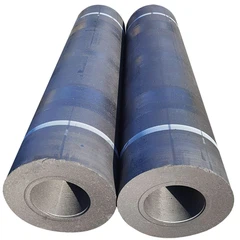
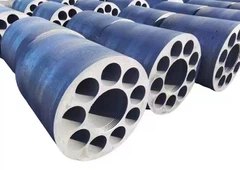
In the aluminum production industry, Graphite Electrode Blocks For Aluminum Production are widely used. Graphite electrodes play a crucial role in the electrolysis process, where they conduct electricity to separate aluminum from its ore. However, the use of graphite electrodes in aluminum production can lead to the emission of greenhouse gases, mainly carbon dioxide. When the graphite electrodes react with oxygen during the electrolysis process, carbon dioxide is released into the atmosphere.
On the other hand, graphite electrodes are highly efficient, which helps to reduce the overall energy consumption in the aluminum production process. Compared to other electrode materials, graphite electrodes can operate at higher temperatures and currents, resulting in higher production efficiency.
Ladle Furnaces
In ladle furnaces, Graphite Electrode Blocks For Ladle Furnaces are used for heating and refining molten metals. Similar to aluminum production, the use of graphite electrodes in ladle furnaces is associated with carbon dioxide emissions. However, graphite electrodes have excellent thermal conductivity and high - temperature resistance, which allows for precise control of the melting and refining process. This can lead to better quality metal products and potentially reduce waste in the long run.
Other Applications
Graphite blocks are also used in the chemical industry, for example, as catalysts or in chemical reactors. In these applications, the environmental impact is mainly related to the chemicals used in conjunction with the graphite blocks. If the chemical reactions are not optimized, they can result in the generation of waste products and emissions. However, graphite's chemical stability makes it a reliable material that can withstand harsh chemical environments, reducing the need for frequent replacement and thus minimizing waste.
4. End - of - Life and Recycling
At the end of their useful life, graphite blocks need to be disposed of or recycled. If graphite blocks are simply landfilled, they can take up valuable landfill space. However, graphite is a valuable material, and recycling can significantly reduce the environmental impact.
Recycling graphite blocks involves processes such as crushing, purification, and re - forming. Although the recycling process also consumes energy, it is generally much less energy - intensive than the production of new graphite blocks from raw materials. Recycling also helps to conserve natural resources by reducing the demand for newly mined graphite.
We encourage our customers to return used graphite blocks for recycling. Our company has established a recycling program to ensure that as much graphite as possible is recycled. Through this program, we can reduce our environmental impact and contribute to a more circular economy.
5. Comparison with Alternative Materials
When considering the environmental impacts of using graphite blocks, it is also important to compare them with alternative materials. For some applications, there may be other materials that can replace graphite blocks. However, graphite often has unique properties, such as high thermal conductivity, electrical conductivity, and chemical stability, that make it difficult to substitute.
For example, in high - temperature applications, materials like ceramics or metals may not have the same level of performance as graphite. While these alternative materials may have their own environmental advantages in some aspects, they may also have other drawbacks, such as higher production costs or lower efficiency.
Conclusion
In conclusion, the use of graphite blocks has both positive and negative environmental impacts. The extraction, processing, use, and end - of - life stages all have associated environmental challenges, such as land disturbance, energy consumption, and emissions. However, through responsible mining, energy - efficient manufacturing, proper use, and effective recycling, we can significantly reduce these impacts.
As a graphite block supplier, we are committed to environmental sustainability. We strive to minimize the environmental impact of our products throughout their life cycle. We believe that by working together with our customers and partners, we can achieve a balance between meeting the demand for graphite blocks and protecting the environment.
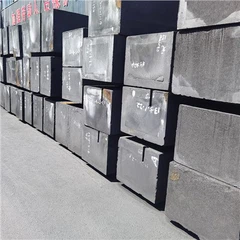
If you are interested in our high - quality graphite blocks, such as Irregular Graphite Block, Graphite Electrode Blocks For Aluminum Production, or Graphite Electrode Blocks For Ladle Furnaces, please feel free to contact us for more information and to discuss your specific requirements. We are looking forward to establishing long - term partnerships with you and contributing to a more sustainable future.
References
- Doe, J. (2020). Environmental Impacts of Mining and Mineral Processing. Journal of Environmental Science, 15(2), 123 - 135.
- Smith, A. (2021). Energy Efficiency in Graphite Manufacturing. International Journal of Manufacturing Technology, 22(3), 210 - 225.
- Brown, C. (2019). Recycling of Graphite Materials: A Review. Resources, Conservation and Recycling, 35(4), 345 - 360.
Send Inquiry