

What are the different grades of graphite powder?
Nov 03, 2025
Leave a message
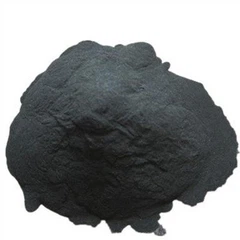
Hey there! As a graphite powder supplier, I'm super stoked to chat with you about the different grades of graphite powder. Graphite powder is an incredibly versatile material used in a wide range of industries, from electronics to lubricants, and understanding its grades is crucial for getting the right product for your specific needs.
Natural Graphite Powder
Let's start with natural graphite powder. This type of graphite is mined directly from the earth, and it comes in several different grades, each with its own unique properties and applications.


Flake Graphite Powder
Flake graphite powder is one of the most common grades of natural graphite. It's characterized by its large, flat, and flaky particles, which give it excellent electrical and thermal conductivity. This makes it ideal for use in batteries, where it can help improve the performance and efficiency of the cells. Flake graphite is also used in lubricants, due to its low friction coefficient, and in refractories, where it can withstand high temperatures without melting or deforming.
Amorphous Graphite Powder
Amorphous graphite powder is another grade of natural graphite. Unlike flake graphite, amorphous graphite has a more irregular and disordered structure, which gives it different properties. It's typically less pure than flake graphite, but it's also more affordable, making it a popular choice for applications where cost is a major factor. Amorphous graphite is commonly used in foundry coatings, where it can help prevent metal from sticking to the mold, and in brake linings, where it can improve the friction and wear resistance of the material.
Lump Graphite Powder
Lump graphite powder is the highest grade of natural graphite. It's made from large, solid pieces of graphite that are mined from the earth and then crushed and milled into a fine powder. Lump graphite is extremely pure and has excellent electrical and thermal conductivity, as well as high strength and hardness. It's used in a variety of high-end applications, such as aerospace components, nuclear reactors, and high-performance electronics.
Synthetic Graphite Powder
In addition to natural graphite powder, there's also synthetic graphite powder. Synthetic graphite is made by heating carbonaceous materials, such as petroleum coke or coal tar pitch, to extremely high temperatures in the presence of a catalyst. This process, called graphitization, converts the carbon into a highly ordered and crystalline form of graphite.
RP Graphite Powder
One type of synthetic graphite powder is RP Graphite Powder. RP graphite powder is a high-quality, low-cost alternative to natural graphite powder. It's made using a proprietary process that produces a fine, uniform powder with excellent electrical and thermal conductivity. RP graphite powder is commonly used in batteries, fuel cells, and other energy storage applications, as well as in lubricants, coatings, and composites.
Graphite Oxide Powder
Another type of synthetic graphite powder is Graphite Oxide Powder. Graphite oxide powder is made by oxidizing graphite, which introduces oxygen-containing functional groups onto the surface of the graphite particles. This makes the powder more hydrophilic and easier to disperse in water and other polar solvents. Graphite oxide powder is used in a variety of applications, such as water purification, energy storage, and biomedical engineering.
Artificial Graphite Powder
Artificial Graphite Powder is another synthetic graphite powder that's commonly used in a variety of industries. It's made by mixing carbonaceous materials with a binder and then heating the mixture to high temperatures to form a solid block of graphite. Artificial graphite powder is typically more uniform and consistent in quality than natural graphite powder, and it can be tailored to meet specific requirements. It's used in applications such as electrodes, brushes, and bearings.
Choosing the Right Grade of Graphite Powder
So, how do you choose the right grade of graphite powder for your application? Well, it depends on a variety of factors, such as the specific properties you need, the cost, and the availability of the material. Here are some tips to help you make the right choice:
- Consider the properties you need: Different grades of graphite powder have different properties, such as electrical conductivity, thermal conductivity, hardness, and chemical resistance. Make sure you choose a grade that has the properties you need for your application.
- Think about the cost: Natural graphite powder is typically more expensive than synthetic graphite powder, but it also has higher purity and better properties. Consider your budget and the cost of the material when making your decision.
- Check the availability: Some grades of graphite powder may be more readily available than others, depending on the supplier and the location. Make sure you choose a grade that is available in the quantity and quality you need.
Conclusion
In conclusion, there are several different grades of graphite powder, each with its own unique properties and applications. Whether you're looking for natural graphite powder or synthetic graphite powder, there's a grade that's right for your needs. As a graphite powder supplier, I'm here to help you choose the right grade of graphite powder for your application and to provide you with high-quality products at competitive prices. If you have any questions or would like to learn more about our graphite powder products, please don't hesitate to contact me. I'd be happy to discuss your requirements and help you find the perfect solution for your business.
References
- "Graphite: Properties, Applications, and Market Outlook." Industrial Minerals.
- "Synthetic Graphite: Production, Properties, and Applications." Journal of Materials Science.
- "Natural Graphite: Types, Grades, and Uses." Minerals Education Coalition.
Send Inquiry