


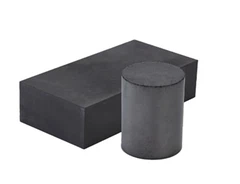
What are the customs clearance procedures for importing and exporting irregular graphite blocks?
May 14, 2025
Leave a message
As a supplier of irregular graphite blocks, I've had extensive experience navigating the complex world of international trade. Understanding the customs clearance procedures for importing and exporting these specialized products is crucial for a smooth and efficient business operation. In this blog, I'll walk you through the key steps involved in the customs clearance process for irregular graphite blocks.
Pre - Shipment Preparation
Before shipping irregular graphite blocks, it's essential to gather all the necessary documentation. This includes a commercial invoice, which should clearly state the description of the graphite blocks, their quantity, unit price, and total value. The invoice should also include the terms of sale, such as FOB (Free on Board) or CIF (Cost, Insurance, and Freight).
A packing list is another vital document. It details the contents of each package, including the type, quantity, and weight of the irregular graphite blocks. This helps customs officials verify the shipment's contents and ensures that everything is accounted for.
Additionally, you may need a certificate of origin. This document indicates where the graphite blocks were produced. It can be important for determining applicable tariffs and trade preferences. Some countries offer preferential treatment to goods originating from certain regions, so having a proper certificate of origin can save your customers money.

Classification of Irregular Graphite Blocks
Properly classifying your irregular graphite blocks is a critical step in the customs clearance process. Customs authorities use the Harmonized System (HS) codes to categorize goods for tariff and statistical purposes. Irregular graphite blocks typically fall under specific HS codes related to graphite and articles of graphite.

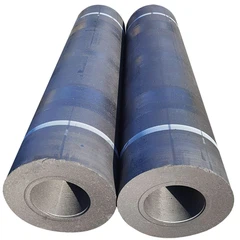
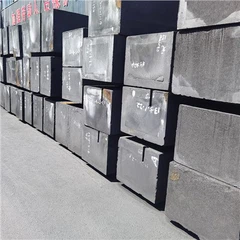
It's important to research and determine the correct HS code for your product. Incorrect classification can lead to delays in customs clearance, as well as potential penalties. You can consult with customs brokers or refer to official HS code databases to ensure accurate classification. For example, some graphite blocks used in specific industries like glass melting or aluminum production may have more specific HS codes. You can learn more about Graphite Electrode Blocks For Glass Melting, Graphite Electrode Blocks, and Graphite Electrode Blocks For Aluminum Production on our website to understand the different types and their possible classifications.
Customs Declaration
Once you have all the necessary documents and the correct HS code, you need to submit a customs declaration. This can be done electronically or through a customs broker. The declaration provides detailed information about the shipment, including the origin, destination, value, and quantity of the irregular graphite blocks.
You'll also need to declare any applicable tariffs, taxes, and duties. The amount of these fees depends on the country of import, the HS code of the product, and any trade agreements in place. Some countries may offer duty - free treatment for certain types of graphite products under specific circumstances, so it's important to research and take advantage of these opportunities.
Inspection and Clearance
After submitting the customs declaration, your shipment may be subject to inspection. Customs officials may physically examine the irregular graphite blocks to verify their quantity, quality, and compliance with relevant regulations. They may also check the documentation to ensure its accuracy.
Inspections can vary in scope and intensity. In some cases, it may be a simple document review, while in others, a full physical inspection of the goods may be required. If everything is in order, the customs authorities will issue a clearance, allowing the shipment to proceed to its final destination.

Post - Shipment Requirements
Even after the shipment has cleared customs, there may be some post - shipment requirements. For example, you may need to provide additional documentation or reports to the customs authorities for record - keeping purposes. Some countries also require importers to submit periodic reports on their imports.
It's important to stay informed about these post - shipment requirements and ensure compliance. Failure to meet these obligations can result in fines or other penalties.
Challenges in Customs Clearance for Irregular Graphite Blocks
There are several challenges that you may encounter when clearing irregular graphite blocks through customs. One of the main challenges is the complex nature of the product. Irregular graphite blocks can have unique shapes, sizes, and properties, which may make it difficult to accurately classify them under the HS code system.
Another challenge is the regulatory environment. Different countries have different regulations regarding the import and export of graphite products. Some countries may have strict environmental or safety regulations that the graphite blocks must meet. For example, there may be limits on the amount of certain impurities in the graphite.
In addition, trade tensions and changes in trade policies can also impact the customs clearance process. New tariffs or trade restrictions may be imposed, which can increase the cost and complexity of importing and exporting irregular graphite blocks.
Tips for a Smooth Customs Clearance
To ensure a smooth customs clearance process for your irregular graphite blocks, here are some tips:

- Work with a Customs Broker: A professional customs broker has in - depth knowledge of the customs clearance process and can help you navigate the complex regulations. They can assist with documentation preparation, classification, and communication with customs authorities.
- Stay Informed: Keep up - to - date with the latest customs regulations, tariff rates, and trade policies in the countries you are trading with. Subscribe to industry newsletters, follow government announcements, and participate in trade associations.
- Maintain Accurate Records: Keep detailed records of all your shipments, including invoices, packing lists, and customs declarations. This will help you in case of any audits or inquiries from customs authorities.
- Build Relationships with Customs Officials: Establishing good relationships with customs officials can be beneficial. They can provide guidance and assistance when needed, and may be more likely to resolve any issues quickly.
Conclusion
Navigating the customs clearance procedures for importing and exporting irregular graphite blocks is a complex but essential part of the international trade process. By understanding the pre - shipment preparation, classification, declaration, inspection, and post - shipment requirements, you can ensure a smooth and efficient customs clearance.
Despite the challenges, with proper planning, accurate documentation, and the right partners, you can overcome these obstacles and successfully trade your irregular graphite blocks in the global market. If you're interested in purchasing our high - quality irregular graphite blocks or have any questions about the customs clearance process, we invite you to reach out for a procurement discussion. We're here to help you make the most of your graphite block needs.
References
- International Chamber of Commerce. Incoterms 2020.
- World Customs Organization. Harmonized System Nomenclature.
- Various national customs authorities' official websites.
Send Inquiry