

How to polish a graphite block?
Jul 24, 2025
Leave a message
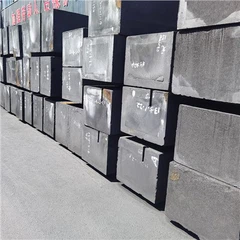
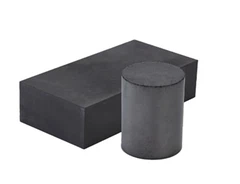
Hey there! As a supplier of Graphite Block, I've got a ton of experience when it comes to graphite products. One common question I often get is how to polish a graphite block. Well, in this blog, I'm gonna walk you through the whole process step by step.
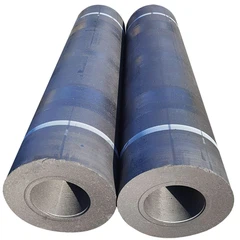
First off, let's talk about why you might want to polish a graphite block. Graphite blocks are used in a wide range of applications, from Graphite Electrode Blocks in the steel industry to Graphite Electrode Plates For Ladle Furnaces. Polishing can improve the surface finish, which can enhance the performance of the graphite block in these applications. For example, a smoother surface can reduce friction and improve electrical conductivity.
Step 1: Preparation
Before you start polishing, you need to make sure you've got all the right tools and materials. You'll need some abrasive papers with different grits, starting from coarse to fine. Usually, I recommend starting with 80 - 100 grit for the initial rough polishing and then moving on to 200, 400, and finally 600 - 800 grit for a really smooth finish. You'll also need a polishing compound, which can help to further refine the surface. And of course, a clean, flat surface to work on and some gloves to protect your hands.
Next, clean the graphite block thoroughly. Use a soft brush to remove any loose particles or dust from the surface. You can also use a mild detergent and water to clean it, but make sure to dry it completely before you start polishing. Any remaining dirt or debris can scratch the surface during the polishing process.
Step 2: Rough Polishing
Now it's time to start the actual polishing. Take the coarse - grit abrasive paper (80 - 100 grit) and wrap it around a flat block or a sanding pad. This will help you to apply even pressure across the surface of the graphite block. Start rubbing the abrasive paper against the graphite block in a circular or back - and - forth motion. Apply firm but not too much pressure. You want to remove any rough spots, scratches, or unevenness on the surface.
Keep checking the surface as you go. You'll notice that the surface starts to get smoother, but it will still be a bit rough. This step is all about getting rid of the major imperfections. It might take a while, especially if the block has a lot of damage on the surface. Just be patient and keep going until you're satisfied with the initial smoothness.
Step 3: Medium - Grit Polishing
Once you're done with the rough polishing, it's time to move on to the medium - grit abrasive paper (200 - 400 grit). Repeat the same process as before, but this time, the surface will start to get even smoother. The medium - grit paper will further refine the surface and remove any small scratches left from the rough polishing.
As you polish with the medium - grit paper, you'll start to see a more uniform and shiny surface. Make sure to change the direction of your polishing motion every now and then. This helps to ensure that the surface is polished evenly from all angles.
Step 4: Fine Polishing
After the medium - grit polishing, it's time for the fine - grit abrasive paper (600 - 800 grit). This is where you really start to get that smooth, mirror - like finish. The fine - grit paper will remove the very fine scratches left by the medium - grit paper and give the graphite block a professional look.
Be extra careful when using the fine - grit paper. Apply less pressure than you did with the coarser papers. You don't want to accidentally damage the surface that you've worked so hard to smooth out. Keep polishing until the surface looks really smooth and shiny.
Step 5: Using a Polishing Compound
Once you're satisfied with the finish from the fine - grit abrasive paper, it's time to use the polishing compound. Apply a small amount of the polishing compound to a soft cloth or a polishing pad. Then, rub the compound onto the surface of the graphite block in a circular motion. The polishing compound will further enhance the shine and smoothness of the surface.
Keep rubbing for a few minutes until the compound starts to dry and the surface looks really polished. You can then use a clean, dry cloth to wipe off any excess compound.
Step 6: Final Cleaning and Inspection
After you've finished polishing and using the compound, clean the graphite block again. Use a soft brush to remove any remaining polishing compound or debris. You can also use a clean, damp cloth to wipe the surface. Make sure to dry it completely.
Inspect the surface carefully. Look for any remaining scratches or unevenness. If you find any, you can go back and repeat the polishing process with the appropriate grit paper or compound.
Now, you might be wondering why you should buy graphite blocks from us. Well, we've been in the business for a long time, and we know how to produce high - quality graphite blocks. Our blocks are made from the best raw materials, and we have strict quality control measures in place. Whether you need Graphite Electrode Blocks for industrial applications or Graphite Electrode Plates For Ladle Furnaces, we've got you covered.
If you're interested in purchasing our graphite blocks or have any questions about the polishing process or our products, don't hesitate to reach out. We're always happy to help and have a great team that can assist you with all your graphite needs.


References
- Handbook of Graphite Technology, Third Edition
- Industrial Graphite Applications: A Practical Guide
Send Inquiry