

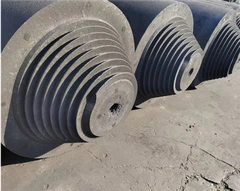
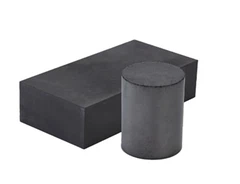
How to measure the quality of high power graphite electrode?
Aug 05, 2025
Leave a message
Hey there! As a supplier of high power graphite electrodes, I've been in the thick of this industry for quite some time. One question that keeps popping up is, "How to measure the quality of high power graphite electrode?" Well, let's dive right in and break it down.
Physical Properties
First off, we've got the physical properties of the graphite electrode. These are the things you can kind of see and feel, or at least measure easily.
Density
Density is a biggie. A higher density usually means a better - quality electrode. It indicates that the graphite is more compactly packed, which in turn means it'll have better conductivity and mechanical strength. When you're looking at a high - power graphite electrode, you want to make sure the density is within the right range. If it's too low, the electrode might not be able to handle the high currents and temperatures that come with high - power applications. You can measure the density by taking the mass of the electrode and dividing it by its volume. Simple math, but it tells you a lot.
Porosity
Porosity is the opposite of density in a way. It refers to the amount of empty space or pores within the graphite. Low porosity is ideal because it means there are fewer weak points in the electrode. High porosity can lead to issues like oxidation and breakage. To measure porosity, you can use methods like mercury intrusion porosimetry. This technique basically forces mercury into the pores of the graphite and measures how much mercury is absorbed, giving you an idea of the pore size and volume.


Hardness
Hardness is another important physical property. A hard graphite electrode can withstand more wear and tear during the manufacturing process. You can measure hardness using the Rockwell or Brinell hardness tests. These tests involve pressing an indenter into the surface of the electrode and measuring the depth of the indentation. A harder electrode will have a smaller indentation, indicating better resistance to deformation.
Chemical Properties
Now, let's talk about the chemical properties of high - power graphite electrodes.
Purity
Purity is crucial. High - purity graphite electrodes have fewer impurities, which means better performance. Impurities can cause problems like increased electrical resistance and reduced thermal conductivity. You want to make sure the graphite is as pure as possible, usually with a carbon content of over 99%. To measure purity, you can use techniques like spectroscopy. This method analyzes the chemical composition of the graphite by looking at the light it emits or absorbs.
Ash Content
Ash content is related to purity. It refers to the non - carbon residue left behind after the graphite is burned. A low ash content is a sign of high - quality graphite. High ash content can lead to problems like electrode degradation and poor electrical performance. You can measure ash content by burning a sample of the graphite in a furnace at a high temperature and weighing the remaining ash.
Electrical and Thermal Properties
These properties are what really make high - power graphite electrodes useful in high - power applications.
Electrical Conductivity
Electrical conductivity is a key factor. A good high - power graphite electrode should have high electrical conductivity so that it can carry large amounts of current without overheating. You can measure electrical conductivity using a four - point probe method. This method involves passing a current through the electrode and measuring the voltage at four different points. The conductivity is then calculated based on the relationship between the current, voltage, and the dimensions of the electrode.
Thermal Conductivity
Thermal conductivity is also important. High - power graphite electrodes generate a lot of heat during operation, and they need to be able to dissipate that heat quickly. High thermal conductivity ensures that the electrode doesn't overheat, which can lead to damage. You can measure thermal conductivity using methods like the laser flash method. This technique involves heating one side of the electrode with a laser pulse and measuring the temperature rise on the other side.
Mechanical Properties
Mechanical properties are essential for the durability of high - power graphite electrodes.
Flexural Strength
Flexural strength measures the ability of the electrode to withstand bending forces. In high - power applications, the electrodes can be subjected to various mechanical stresses, and a high flexural strength ensures that they don't break easily. You can measure flexural strength by applying a load to the electrode at its center and measuring the maximum load it can withstand before breaking.
Compressive Strength
Compressive strength is similar to flexural strength, but it measures the ability of the electrode to withstand compressive forces. This is important when the electrode is being inserted into a furnace or when it's under pressure during operation. You can measure compressive strength by applying a compressive load to the electrode and measuring the maximum load it can withstand before deforming.
Applications and Quality
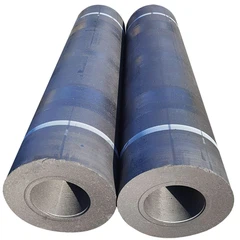
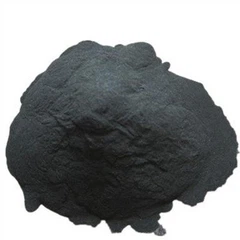
The quality of high - power graphite electrodes also depends on their applications. For example, Graphite Electrodes For Silicon Carbide Production need to be able to withstand the high temperatures and chemical reactions involved in the silicon carbide production process. These electrodes should have high purity and good thermal and electrical conductivity.
On the other hand, 100%Needle Coke Graphite Electrode are known for their high quality and performance. Needle coke is a high - quality raw material that gives the electrodes better electrical and thermal properties. These electrodes are often used in high - end applications where performance is critical.
Graphite Electrodes For Lithium - ion Battery Production also have specific quality requirements. They need to be able to provide a stable electrical current during the battery production process. The electrodes should have high purity and good mechanical strength to ensure consistent performance.
Conclusion
Measuring the quality of high - power graphite electrodes is a multi - faceted process. You need to consider physical, chemical, electrical, and thermal properties, as well as the specific applications of the electrodes. By paying attention to these factors, you can ensure that you're getting the best - quality electrodes for your needs.
If you're in the market for high - power graphite electrodes, and you want to discuss the quality and suitability of our products for your specific application, don't hesitate to reach out. We're here to help you make the right choice and ensure that you get the best performance from our electrodes.
References
- ASTM International. (2023). Standard test methods for carbon and graphite mechanical materials.
- ASM Handbook Committee. (2022). ASM Handbook Volume 1: Properties and Selection: Irons, Steels, and High - Performance Alloys.
- Callister, W. D., & Rethwisch, D. G. (2020). Materials Science and Engineering: An Introduction.
Send Inquiry