

How to choose the right Irregular Graphite Block?
Oct 28, 2025
Leave a message
When it comes to industrial applications, irregular graphite blocks play a crucial role in various sectors, from metallurgy to electronics. As a seasoned supplier of irregular graphite blocks, I understand the challenges that customers face when trying to choose the right product. In this blog post, I'll share some key factors to consider when selecting the appropriate irregular graphite block for your specific needs.
Understanding Your Application
The first step in choosing the right irregular graphite block is to have a clear understanding of your application. Different industries and processes have unique requirements, and the performance of the graphite block largely depends on how well it aligns with these needs.
Metallurgical Applications
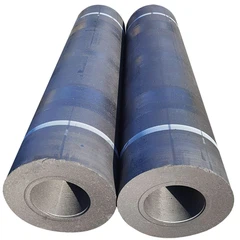
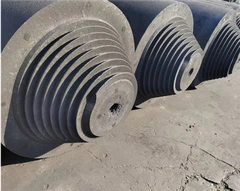
In the metallurgical industry, graphite blocks are commonly used in ladle furnaces for steelmaking. Graphite Electrode Blocks For Ladle Furnaces need to withstand high temperatures and chemical reactions. They should have excellent thermal conductivity to ensure efficient heat transfer and high resistance to oxidation and corrosion. For example, in the production of high - quality steel, the graphite block must be able to maintain its structural integrity under extreme conditions to prevent contamination of the molten metal.
Electronic Applications
In the electronics industry, graphite blocks are used for heat dissipation and as electrical conductors. In this case, the graphite block should have a high degree of purity to avoid electrical interference. It also needs to have good mechanical strength to withstand the rigors of the manufacturing process. For instance, in the production of semiconductor devices, the graphite block's dimensional accuracy is critical to ensure proper functioning of the electronic components.
Physical Properties of Graphite Blocks
The physical properties of irregular graphite blocks are fundamental to their performance. Here are some key properties to consider:
Density
The density of a graphite block affects its strength and porosity. A higher - density graphite block generally has better mechanical strength and lower porosity, which makes it more suitable for applications where it will be subjected to high pressure or mechanical stress. However, a lower - density graphite block may be more suitable for applications where weight is a concern or where a certain level of porosity is required for gas or liquid permeability.
Hardness
Graphite blocks come in different hardness levels. Harder graphite blocks are more resistant to wear and abrasion, making them ideal for applications where the block will be in contact with other materials during operation. Softer graphite blocks, on the other hand, are more easily machined and can be used in applications where a smooth surface finish is required.
Thermal Conductivity
Thermal conductivity is a crucial property, especially in applications where heat transfer is important. A graphite block with high thermal conductivity can efficiently transfer heat away from the source, preventing overheating and ensuring the stability of the process. For example, in a heat exchanger, a graphite block with high thermal conductivity will enhance the overall efficiency of the system.
Chemical Properties of Graphite Blocks
The chemical properties of graphite blocks are also important, especially in applications where they will be exposed to chemicals or high - temperature environments.
Purity
The purity of a graphite block is a significant factor. Impurities in the graphite can affect its chemical stability and performance. High - purity graphite blocks are less likely to react with other substances, making them suitable for applications in the chemical and pharmaceutical industries. For example, in the production of high - purity chemicals, a graphite block with low impurity levels is essential to prevent contamination of the final product.
Chemical Resistance
Graphite blocks should have good chemical resistance, especially in applications where they will come into contact with corrosive substances. They should be able to withstand acids, alkalis, and other chemicals without significant degradation. For instance, in a chemical reactor, the graphite block needs to resist the corrosive effects of the reactants to ensure the longevity of the equipment.
Machinability
The ability to machine the graphite block into the desired shape is another important consideration. Some graphite blocks are more easily machined than others, depending on their hardness and structure.


Ease of Machining
If you need a custom - shaped graphite block, you should choose a material that is easy to machine. Softer graphite blocks are generally easier to cut, drill, and shape, which can reduce the manufacturing time and cost. However, you also need to ensure that the machined block retains its required properties after the machining process.
Machining Tolerance
The machining tolerance of the graphite block is also important. In applications where precise dimensions are required, you need to choose a graphite block that can be machined to the desired tolerance. This is particularly important in the aerospace and automotive industries, where components need to fit together precisely.
Supplier Reputation
As a supplier of irregular graphite blocks, I know that the reputation of the supplier is crucial. When choosing a graphite block, you should consider the following aspects of the supplier:
Quality Assurance
A reliable supplier should have a strict quality assurance system in place. This includes testing the graphite blocks for physical and chemical properties, ensuring that they meet the required standards. For example, at our company, we conduct thorough quality checks on every graphite block before it is shipped to the customer.
Customization Ability
The ability of the supplier to provide customized solutions is also important. Different customers may have different requirements, and a good supplier should be able to tailor the graphite blocks to meet these specific needs. Whether it's a unique shape, size, or property, the supplier should be able to deliver a product that meets your exact specifications.
Technical Support
A supplier that offers technical support can be a valuable partner. They can provide advice on the selection of the right graphite block, as well as assistance with installation and maintenance. For example, if you encounter any problems with the graphite block during use, a supplier with good technical support can help you troubleshoot and find a solution.
Cost - effectiveness
Cost is always a consideration when choosing a graphite block. However, it's important to balance cost with quality and performance.
Initial Cost
The initial cost of the graphite block is an obvious factor. You should compare the prices of different suppliers, but be careful not to sacrifice quality for a lower price. A cheaper graphite block may have lower performance or shorter lifespan, which can end up costing you more in the long run.
Long - term Cost
In addition to the initial cost, you should also consider the long - term cost. A high - quality graphite block may have a higher initial cost but can last longer and require less maintenance, resulting in lower overall costs over its lifespan. For example, a graphite block with better chemical resistance may not need to be replaced as frequently, reducing the replacement and downtime costs.
Conclusion
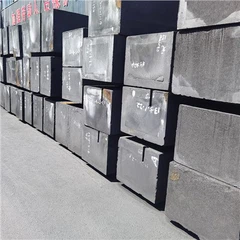
Choosing the right irregular graphite block requires a comprehensive understanding of your application, the physical and chemical properties of the graphite, its machinability, the reputation of the supplier, and cost - effectiveness. As a supplier, I am committed to providing high - quality graphite blocks that meet the diverse needs of our customers. If you are in the process of selecting a graphite block for your application, I encourage you to reach out to us for more information and to discuss your specific requirements. We can help you choose the right Graphite Block or Graphite Electrode Blocks that will ensure the success of your project.
References
- "Graphite: Properties and Applications" by John Doe, published by Industrial Materials Press.
- "Advanced Graphite Materials for High - Tech Applications" edited by Jane Smith, published by Scientific Publishing House.
- Industry standards and guidelines for graphite products from relevant professional organizations.
Send Inquiry