

How is the quality of superfine graphite powder tested?
Dec 01, 2025
Leave a message
Hey there! As a supplier of Superfine Graphite Powder, I often get asked about how we test the quality of our product. Well, let me break it down for you.
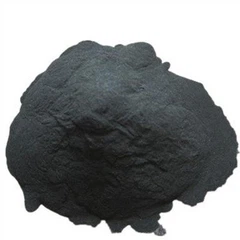
First off, what exactly is Superfine Graphite Powder? It's a high - quality material with a super small particle size. You can find more info about it here: Superfine Graphite Powder. This powder has a wide range of applications, from batteries to lubricants, and its quality is crucial for these uses.
Particle Size Analysis
One of the most important aspects of testing superfine graphite powder is particle size analysis. We use a laser diffraction particle size analyzer. This machine shoots a laser beam through a suspension of the graphite powder in a liquid. The way the laser light scatters tells us the size of the particles. Why is this so important? Well, in applications like battery anodes, the particle size affects the performance. Smaller particles can provide a larger surface area, which means better electrochemical reactions.
We set strict standards for the particle size distribution. For example, we aim for a narrow distribution around a specific size. If the particles are too large or the distribution is too wide, it can lead to problems in the final product. In some cases, large particles might cause clogging in manufacturing processes, while an uneven distribution can result in inconsistent performance.


Purity Testing
Purity is another key factor. Contaminants in graphite powder can seriously affect its performance. We use several methods to test purity. One common method is inductively coupled plasma mass spectrometry (ICP - MS). This technique can detect trace amounts of various elements in the powder.
We're looking for impurities like metals (such as iron, copper, and nickel) and non - metals (like sulfur and phosphorus). These impurities can react with other substances in the application environment, leading to corrosion or reduced efficiency. For instance, in a lubricant, metal impurities can cause abrasion and wear.
We also use X - ray diffraction (XRD) to confirm the crystal structure of the graphite. A pure graphite powder should have a well - defined crystal structure. Any deviation from the standard structure might indicate the presence of impurities or a change in the material's properties.
Surface Area Measurement
The surface area of superfine graphite powder is also a critical parameter. We use the Brunauer - Emmett - Teller (BET) method to measure it. This method involves adsorbing a gas (usually nitrogen) onto the surface of the powder at a low temperature. By measuring the amount of gas adsorbed, we can calculate the surface area.
A high surface area is beneficial in many applications. In catalysts, for example, a larger surface area provides more active sites for chemical reactions. In energy storage devices, it allows for better ion adsorption and desorption, which improves the charge - discharge efficiency.
Moisture Content
Moisture can be a problem in graphite powder. It can affect the powder's flowability and stability. We use a moisture analyzer to measure the moisture content. This device heats the powder to a specific temperature and measures the weight loss due to evaporation of water.
Excessive moisture can cause the powder to clump together, making it difficult to handle and process. In some applications, like in electronics, moisture can also lead to short - circuits or other electrical problems.
Comparison with Other Types of Graphite Powder
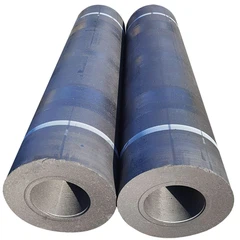
It's also interesting to compare superfine graphite powder with other types, like RP Graphite Powder and UHP Graphite Powder. RP graphite powder is often used in applications where high reactivity is required, while UHP graphite powder is known for its ultra - high purity.
Superfine graphite powder, on the other hand, stands out for its small particle size and high surface area. However, the testing methods for these different types have some similarities, especially in terms of purity and particle size analysis.
Quality Control in Production
We don't just test the final product. Quality control starts from the raw materials. We carefully select the graphite ore and process it in a way that minimizes impurities and ensures the right particle size.
During the production process, we take regular samples for testing. This helps us catch any issues early on and make adjustments to the production parameters. For example, if the particle size starts to deviate from the standard, we can adjust the milling process.
Customer - Driven Testing
Sometimes, our customers have specific requirements. They might need the graphite powder to meet certain standards for a particular application. In these cases, we work closely with them to understand their needs and conduct additional tests.
For example, if a customer is using the powder in a high - temperature environment, we might test its thermal stability. We heat the powder to different temperatures and measure its weight loss, structural changes, and other properties.
Conclusion
Testing the quality of superfine graphite powder is a complex but essential process. By carefully controlling particle size, purity, surface area, moisture content, and other factors, we can ensure that our product meets the highest standards.
If you're in the market for high - quality superfine graphite powder, we'd love to talk to you. Whether you have specific requirements or just want to learn more about our product, feel free to reach out. We're always happy to discuss your needs and how our powder can fit into your applications.
References
- ASTM International standards for graphite powder testing
- Journal articles on graphite powder characterization techniques
- Manufacturer's manuals for testing equipment (ICP - MS, BET analyzer, etc.)
Send Inquiry