

How does temperature affect the performance of graphite electrodes?
Jul 28, 2025
Leave a message
Hey there! As a graphite electrode supplier, I've seen firsthand how temperature can have a huge impact on the performance of these essential components. In this blog post, I'm gonna break down the relationship between temperature and graphite electrode performance, and why it matters for your operations.
Basics of Graphite Electrodes
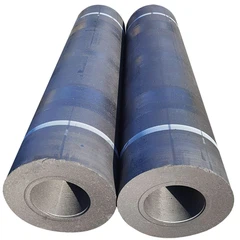
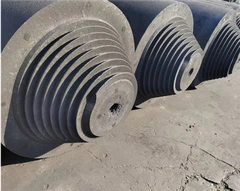
Before we dive into the temperature stuff, let's quickly go over what graphite electrodes are. Graphite electrodes are made from high-quality petroleum coke and needle coke, which are baked and graphitized at extremely high temperatures. They're used in electric arc furnaces (EAFs) for steelmaking, as well as in other metal refining processes like Graphite Electrodes For Iron Ore Reduction, Graphite Electrodes For Manganese Refining, and Graphite Electrode For Zinc Smelting Furnace.
These electrodes conduct electricity and generate an arc that melts the scrap metal or ore, turning it into molten metal. So, their performance is crucial for the efficiency and productivity of the entire refining process.
How Temperature Affects Physical Properties
Thermal Expansion
One of the most significant ways temperature affects graphite electrodes is through thermal expansion. When heated, graphite electrodes expand, and this expansion can cause some serious issues if not managed properly.
At high temperatures, the electrode may expand unevenly, leading to internal stresses. These stresses can result in cracks and breakages, which are a big no-no in the refining process. A cracked electrode can disrupt the electrical arc, reduce the efficiency of the melting process, and even cause safety hazards.
Strength and Hardness
Temperature also has a direct impact on the strength and hardness of graphite electrodes. As the temperature rises, the strength of the graphite decreases. This is because the high temperature can cause the graphite structure to break down, making the electrode more brittle.
In an EAF, the electrodes are constantly exposed to high temperatures, and this can gradually weaken them over time. If the temperature gets too high, the electrode may not be able to withstand the mechanical forces during the melting process, leading to premature failure.
Impact on Electrical Conductivity
Electrical Resistance
The electrical conductivity of graphite electrodes is another critical factor that's affected by temperature. As the temperature increases, the electrical resistance of the graphite electrode generally decreases. This means that at higher temperatures, the electrode can conduct electricity more efficiently, which is great for the melting process.


However, this relationship isn't always linear. At extremely high temperatures, the electrical conductivity may start to level off or even decrease slightly due to changes in the graphite's atomic structure. So, it's important to find the sweet spot where the electrode has the optimal electrical conductivity for your specific application.
Arc Stability
Temperature also plays a role in arc stability. A stable electrical arc is essential for efficient melting and uniform heating of the metal. When the temperature is too low, the arc may be unstable, causing fluctuations in the melting process and uneven heating of the metal.
On the other hand, if the temperature is too high, the arc can become too intense, leading to excessive spattering and increased electrode consumption. Maintaining the right temperature is key to ensuring a stable and efficient arc.
Effects on Chemical Reactions
Oxidation
Graphite electrodes are prone to oxidation at high temperatures, especially in the presence of oxygen. Oxidation occurs when the graphite reacts with oxygen in the air, forming carbon dioxide and carbon monoxide. This process can cause the electrode to wear down over time, reducing its lifespan and performance.
The rate of oxidation increases with temperature, so it's crucial to control the temperature and the oxygen levels in the furnace to minimize oxidation. Some graphite electrodes are coated with special materials to protect them from oxidation, but even these coatings have their limits at extremely high temperatures.
Reaction with Slag
In addition to oxidation, graphite electrodes can also react with the slag in the furnace. Slag is a byproduct of the refining process and contains various metal oxides and other compounds. At high temperatures, the graphite can react with the slag, leading to the formation of new compounds and the degradation of the electrode.
These reactions can cause the electrode to erode and lose its shape, which can affect the arc stability and the overall efficiency of the melting process. Understanding the chemical reactions between the electrode and the slag at different temperatures is essential for optimizing the performance of the graphite electrode.
Managing Temperature for Optimal Performance
So, how can you manage the temperature to ensure the best performance of your graphite electrodes? Here are some tips:
Temperature Monitoring
Invest in good temperature monitoring systems to keep track of the temperature inside the furnace. This will allow you to detect any temperature fluctuations early and take corrective actions before they cause serious problems.
Cooling Systems
Use cooling systems to control the temperature of the electrodes. Water-cooled electrodes are a popular option as they can help dissipate heat and prevent the electrodes from overheating.
Operating Conditions
Optimize the operating conditions of the furnace, such as the power input, the oxygen flow rate, and the scrap charging method. These factors can all affect the temperature inside the furnace and the performance of the electrodes.
Why It Matters for Your Business
As a graphite electrode supplier, I know that the performance of these electrodes can have a significant impact on your bottom line. By understanding how temperature affects the performance of graphite electrodes, you can make informed decisions about your electrode selection, maintenance, and operating procedures.
Using high-quality graphite electrodes that are designed to withstand the specific temperature conditions of your application can improve the efficiency of your melting process, reduce electrode consumption, and increase the lifespan of your electrodes. This can lead to cost savings, higher productivity, and better-quality metal products.
Let's Connect
If you're looking for high-quality graphite electrodes that can perform well under different temperature conditions, I'd love to hear from you. Whether you're in the steelmaking, iron ore reduction, manganese refining, or zinc smelting industry, I can help you find the right electrodes for your needs.
Feel free to reach out to me to discuss your requirements and start a conversation about how we can work together to optimize your refining process. I'm here to provide you with the best solutions and support to ensure the success of your operations.
References
- "Graphite Electrodes: Properties, Applications, and Manufacturing" - A comprehensive book on graphite electrodes and their performance factors.
- "Thermal and Electrical Properties of Graphite Materials" - A research paper that delves into the relationship between temperature and graphite electrode performance.
- Industry reports on the latest trends and developments in graphite electrode technology.
Send Inquiry