

How does Graphite Oxide Powder inhibit the growth of bacteria?
Oct 23, 2025
Leave a message
Graphite oxide powder, a fascinating material with unique properties, has drawn significant attention in recent years for its potential antibacterial applications. As a leading supplier of graphite oxide powder, I am excited to delve into the mechanisms through which this remarkable substance inhibits the growth of bacteria.
1. Introduction to Graphite Oxide Powder
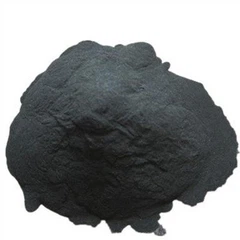
Graphite oxide powder is derived from graphite through a series of oxidation processes. It consists of graphite layers that are functionalized with oxygen - containing groups such as hydroxyl, epoxy, and carboxyl groups. These functional groups not only increase the hydrophilicity of the material but also endow it with distinct chemical and physical properties compared to pure graphite.
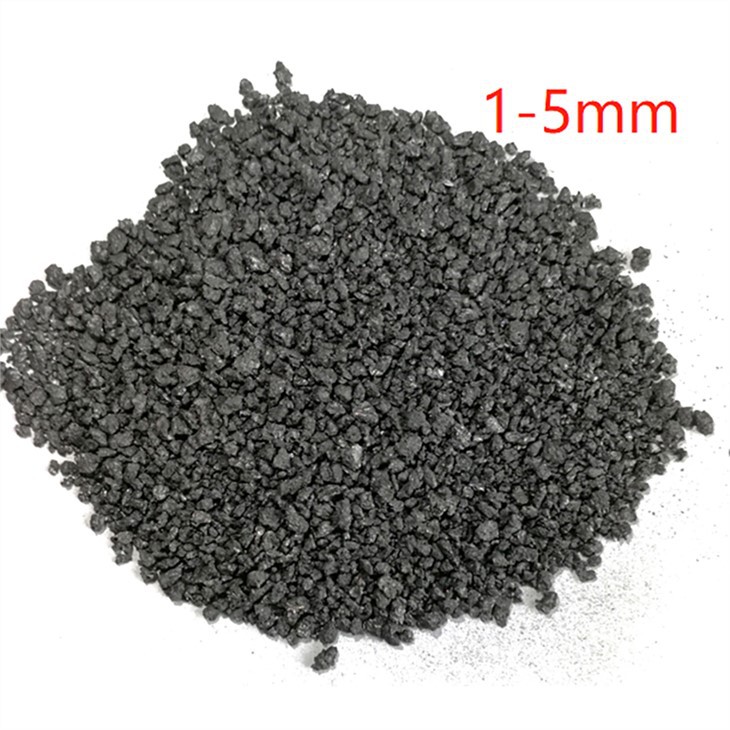
Our company offers a wide range of graphite - related products, including Superfine Graphite Powder, Artificial Graphite Powder, and High Purity Graphite Powder. Among them, graphite oxide powder stands out due to its antibacterial potential.
2. Physical Interaction with Bacterial Cells
One of the primary ways graphite oxide powder inhibits bacterial growth is through physical interaction with bacterial cells. The large and flat structure of graphite oxide sheets can act as a physical barrier. When bacteria come into contact with graphite oxide powder, the sheets can wrap around the bacterial cells. This wrapping restricts the movement of bacteria, preventing them from accessing nutrients and oxygen in the surrounding environment.
Moreover, the sharp edges of graphite oxide sheets can cause mechanical damage to the bacterial cell membrane. The cell membrane is a crucial structure that maintains the integrity of the cell and regulates the passage of substances in and out of the cell. When the sharp edges of graphite oxide penetrate the cell membrane, it leads to the leakage of intracellular contents such as proteins, nucleic acids, and ions. This disruption of the cell membrane's integrity ultimately results in cell death.
3. Oxidative Stress Induction
Graphite oxide powder can also induce oxidative stress in bacterial cells. The oxygen - containing functional groups on the surface of graphite oxide can generate reactive oxygen species (ROS) such as superoxide anions, hydrogen peroxide, and hydroxyl radicals. ROS are highly reactive molecules that can cause damage to various cellular components.

In bacterial cells, ROS can react with lipids, proteins, and nucleic acids. For example, ROS can oxidize the unsaturated fatty acids in the cell membrane, leading to lipid peroxidation. This process disrupts the fluidity and stability of the cell membrane, making it more permeable and vulnerable to damage. ROS can also oxidize proteins, altering their structure and function. Enzymes, which are essential for various metabolic processes in bacteria, can be inactivated by ROS - mediated oxidation. Additionally, ROS can cause damage to DNA, leading to mutations and ultimately cell death.
4. Interference with Bacterial Metabolism
Graphite oxide powder can interfere with bacterial metabolism in multiple ways. Firstly, as mentioned earlier, the physical wrapping of bacterial cells by graphite oxide sheets restricts the uptake of nutrients. Bacteria rely on the uptake of nutrients such as glucose, amino acids, and minerals to carry out their metabolic processes. When the access to these nutrients is blocked, the bacteria cannot generate energy and synthesize essential biomolecules.
Secondly, the oxidative stress induced by graphite oxide can disrupt the normal metabolic pathways in bacteria. Many metabolic enzymes are sensitive to oxidative damage. For example, the enzymes involved in the tricarboxylic acid cycle, which is a central metabolic pathway for energy production in bacteria, can be inactivated by ROS. This disruption of metabolic pathways leads to a decrease in energy production and a halt in the synthesis of important cellular components, thus inhibiting bacterial growth.
5. Influence on Bacterial Quorum Sensing
Quorum sensing is a cell - to - cell communication mechanism used by bacteria to coordinate their behavior, such as biofilm formation, virulence factor production, and gene expression. Graphite oxide powder can interfere with bacterial quorum sensing.
The large surface area of graphite oxide sheets can adsorb quorum - sensing molecules, such as acyl - homoserine lactones (AHLs) in Gram - negative bacteria. By adsorbing these signaling molecules, graphite oxide disrupts the communication between bacterial cells. Without proper quorum sensing, bacteria cannot coordinate their collective behavior. For example, biofilm formation is a significant problem in many medical and industrial settings as biofilms provide a protective environment for bacteria and increase their resistance to antibiotics. By interfering with quorum sensing, graphite oxide powder can prevent biofilm formation, making bacteria more vulnerable to other antibacterial agents and environmental stresses.
6. Factors Affecting the Antibacterial Activity of Graphite Oxide Powder
The antibacterial activity of graphite oxide powder is influenced by several factors. The concentration of graphite oxide powder is a crucial factor. Generally, a higher concentration of graphite oxide powder leads to stronger antibacterial activity. However, there is a limit to the concentration, as extremely high concentrations may also have adverse effects on the surrounding environment and other non - target organisms.
The size and shape of graphite oxide sheets also play a role. Smaller and more uniform graphite oxide sheets tend to have better antibacterial activity because they can more easily interact with bacterial cells. Additionally, the degree of oxidation of graphite oxide affects its antibacterial properties. A higher degree of oxidation means more oxygen - containing functional groups on the surface, which can generate more ROS and enhance the antibacterial activity.
7. Applications and Future Prospects
The antibacterial properties of graphite oxide powder have a wide range of potential applications. In the medical field, it can be used in wound dressings. By incorporating graphite oxide powder into wound dressings, it can prevent bacterial infection and promote wound healing. In the food industry, it can be used as a food preservative to inhibit the growth of spoilage bacteria and extend the shelf - life of food products.
In the future, more research is needed to optimize the antibacterial performance of graphite oxide powder. This includes exploring ways to further enhance its antibacterial activity while minimizing its potential toxicity to human cells. Additionally, the development of new delivery systems for graphite oxide powder, such as encapsulation in nanoparticles, may improve its stability and targeted delivery to bacterial cells.
8. Conclusion and Call to Action
In conclusion, graphite oxide powder inhibits bacterial growth through multiple mechanisms, including physical interaction, oxidative stress induction, interference with metabolism, and disruption of quorum sensing. Its antibacterial potential makes it a promising material for various applications in different industries.
As a supplier of high - quality graphite oxide powder, we are committed to providing our customers with the best products. If you are interested in exploring the antibacterial applications of graphite oxide powder or other graphite - related products, we invite you to contact us for procurement and further discussion. We look forward to collaborating with you to harness the potential of graphite oxide powder in antibacterial research and applications.
References
- Akhavan, O., & Ghaderi, E. (2010). Antibacterial properties of graphene oxide. ACS nano, 4(1), 573 - 580.
- Liu, Z., Robinson, J. T., Sun, X., & Dai, H. (2008). PEGylated nanographene oxide for delivery of water - insoluble cancer drugs. Journal of the American Chemical Society, 130(33), 10876 - 10877.
- Zhang, Y., Liu, Z., & Yang, X. (2011). Graphene - based antibacterial paper. ACS nano, 5(4), 2865 - 2872.
Send Inquiry