

How do these regulations and policies affect the market of irregular graphite blocks?
Oct 14, 2025
Leave a message
Hey there! I'm a supplier of irregular graphite blocks, and I've been keeping a close eye on how regulations and policies can shake up the market. In this blog, I'll share my thoughts on how these rules and policies impact the market for irregular graphite blocks.
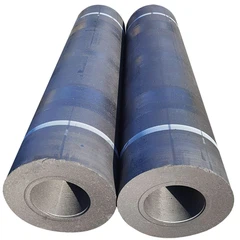
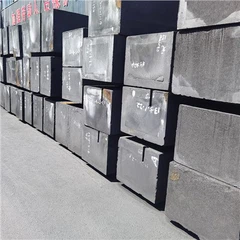
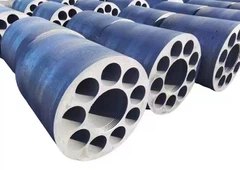
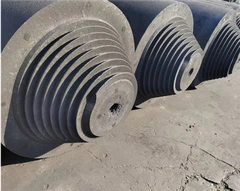
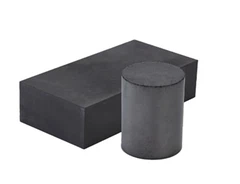
First off, let's talk about what irregular graphite blocks are. They're graphite blocks that don't meet the standard sizes or shapes. They're used in a bunch of industries, like glass melting, powder metallurgy, and aluminum production. You can check out more about their specific applications here: Graphite Electrode Blocks For Glass Melting, Graphite electrode plates for powder metallurgy, and Graphite Electrode Blocks For Aluminum Production.
Environmental Regulations
One of the big things that can affect the market for irregular graphite blocks is environmental regulations. These days, there's a lot of focus on reducing pollution and protecting the environment. Graphite production can have some environmental impacts, like air pollution from the burning of fossil fuels during the manufacturing process.
Some countries and regions have introduced strict environmental regulations that limit the amount of pollutants that graphite producers can emit. This means that producers have to invest in cleaner production technologies, like using more energy - efficient furnaces or installing pollution control equipment. These additional costs can trickle down to the market.
For us suppliers, it can mean higher production costs. We might have to pay more for the equipment and energy needed to meet these environmental standards. As a result, the price of irregular graphite blocks might go up. Higher prices can then lead to a decrease in demand, especially from cost - sensitive customers.
On the other hand, some customers are actually willing to pay more for environmentally friendly products. They see it as a way to support sustainable development. So, if we can market our irregular graphite blocks as being produced in an environmentally responsible way, we might be able to attract these eco - conscious customers.
Trade Policies
Trade policies also play a huge role in the market for irregular graphite blocks. Tariffs, quotas, and trade agreements can all have an impact.
When a country imposes tariffs on imported graphite blocks, it makes them more expensive for domestic buyers. If I'm exporting irregular graphite blocks to a country with high tariffs, my customers in that country will have to pay more for my products. This can reduce the demand for my blocks in that market.
Quotas are another issue. A quota limits the amount of a particular product that can be imported into a country. If there's a quota on irregular graphite blocks, I might not be able to sell as much as I'd like to in that market. This can lead to over - supply in other markets, which can drive down prices.
Trade agreements, on the other hand, can be a game - changer. If two countries sign a free - trade agreement, it can eliminate or reduce tariffs and quotas between them. This makes it easier and cheaper for me to export my irregular graphite blocks to that country. It can open up new markets and increase demand for my products.
Industry - Specific Regulations
Different industries that use irregular graphite blocks also have their own regulations.
In the glass - melting industry, for example, there are regulations regarding the quality and purity of the graphite electrodes. The electrodes need to have specific properties to ensure the quality of the glass being produced. If my irregular graphite blocks don't meet these standards, I won't be able to sell them to glass - melting companies.
In the powder metallurgy industry, regulations might focus on the size and shape of the graphite electrode plates. These plates need to fit precisely into the equipment used in the powder - metallurgy process. If my blocks don't meet the required dimensions, they won't be suitable for this industry.
In the aluminum - production industry, the graphite electrodes need to be able to withstand high temperatures and chemical reactions. Regulations ensure that the electrodes are safe and effective for use in aluminum smelting. Any non - compliant products won't be accepted by aluminum producers.
Technological Regulations
Technological advancements are constantly changing the game, and there are also regulations related to new technologies in the graphite industry.
For example, there are emerging technologies for producing graphite with better properties, like higher conductivity or greater strength. Some regulations might encourage the adoption of these new technologies. If I want to stay competitive in the market, I need to keep up with these technological trends and ensure that my irregular graphite blocks meet the new standards.
On the flip side, if a new technology is introduced that makes traditional graphite blocks obsolete, it can be a real challenge for us suppliers. We might have to invest in new production methods or find new markets for our products.
How to Adapt
As a supplier of irregular graphite blocks, I need to be proactive in dealing with these regulations and policies.
I keep a close eye on the regulatory environment. I follow the news and industry reports to stay informed about any new regulations that might affect my business. This way, I can plan ahead and make the necessary adjustments to my production processes.


I also invest in research and development. By constantly improving the quality and properties of my irregular graphite blocks, I can make them more competitive in the market. I can meet the changing requirements of different industries and comply with new regulations.
Networking is another important thing. I attend industry conferences and trade shows to meet other suppliers, customers, and regulators. This helps me to understand the market trends and get insights into the latest regulatory changes.
Conclusion
In conclusion, regulations and policies have a significant impact on the market for irregular graphite blocks. Environmental regulations can increase production costs and change the demand pattern, while trade policies can open up or close down markets. Industry - specific and technological regulations also shape the market by setting standards for product quality and performance.
As a supplier, I need to be flexible and adaptable. I need to find ways to balance the costs associated with complying with regulations while still offering competitive prices to my customers. And there are opportunities too. By understanding and meeting these regulations, I can differentiate my products and attract new customers.
If you're in the market for irregular graphite blocks and want to learn more about how our products can meet your needs, don't hesitate to reach out. We're always happy to have a chat and discuss your specific requirements. Whether you're in the glass - melting, powder - metallurgy, or aluminum - production industry, we've got the right solution for you.
References
- Smith, J. (2020). "The Impact of Environmental Regulations on the Graphite Industry". Journal of Industrial Materials.
- Johnson, A. (2021). "Trade Policies and Their Effects on Graphite Block Markets". International Trade Review.
- Brown, C. (2019). "Industry - Specific Regulations in Graphite Applications". Industry Insights Magazine.
Send Inquiry