

Can synthetic graphite powder be used in cosmetic industry (indirectly)?
Nov 19, 2025
Leave a message
Can synthetic graphite powder be used in cosmetic industry (indirectly)?
As a supplier of synthetic graphite powder, I often get asked about the diverse applications of our product. One question that has piqued my interest recently is whether synthetic graphite powder can be used in the cosmetic industry, albeit indirectly. In this blog post, I'll explore this topic in detail, delving into the properties of synthetic graphite powder, potential indirect uses in cosmetics, and the associated safety and regulatory aspects.
Understanding Synthetic Graphite Powder
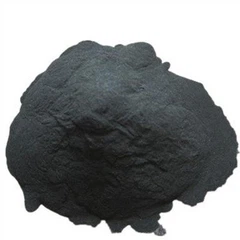
Synthetic graphite powder is a highly refined form of carbon that is engineered to possess specific properties. It is produced through a complex process that involves heating petroleum coke or pitch to extremely high temperatures in the presence of a catalyst. This results in a material with excellent electrical conductivity, high thermal stability, low friction, and chemical inertness.
There are different types of synthetic graphite powder available, each with its own unique characteristics. For instance, Carbon Graphite Powder is known for its high carbon content and good electrical conductivity, making it suitable for applications in batteries and electronics. RP Graphite Powder is often used in refractory materials due to its high purity and thermal resistance. HP Graphite Powder, on the other hand, is characterized by its high density and low porosity, which makes it ideal for use in high-performance applications such as aerospace and automotive components.


Potential Indirect Uses in the Cosmetic Industry
While synthetic graphite powder is not typically used directly in cosmetics, it can have several indirect applications in the industry. Here are some potential ways in which synthetic graphite powder can contribute to the cosmetic manufacturing process:
1. Packaging and Manufacturing Equipment
Synthetic graphite powder can be used in the production of packaging materials and manufacturing equipment for cosmetics. Its excellent lubricating properties make it a suitable additive for molds and dies used in the injection molding of plastic packaging components. By reducing friction, graphite powder helps to improve the flow of plastic materials during the molding process, resulting in better-quality products with fewer defects.
In addition, synthetic graphite powder can be used as a coating for manufacturing equipment such as mixers, blenders, and filling machines. The low friction and chemical inertness of graphite make it resistant to wear and corrosion, which helps to extend the lifespan of the equipment and reduce maintenance costs.
2. Cosmetic Pigment Production
Graphite is a natural pigment that has been used in cosmetics for centuries. While synthetic graphite powder is not commonly used as a direct pigment in modern cosmetics, it can play a role in the production of other pigments. For example, graphite can be used as a reducing agent in the synthesis of certain metal oxides, which are widely used as pigments in cosmetics. By reacting with metal salts, graphite can help to convert them into their corresponding oxides, which can then be used to create a variety of colors.
3. Cosmetic Testing and Quality Control
Synthetic graphite powder can also be used in cosmetic testing and quality control processes. Its high thermal stability and electrical conductivity make it a useful material for testing the performance of cosmetic products under different conditions. For example, graphite can be used as a reference material in thermal analysis techniques such as differential scanning calorimetry (DSC) and thermogravimetric analysis (TGA), which are used to measure the thermal properties of cosmetics.
In addition, graphite powder can be used in electrical conductivity testing to ensure that cosmetic products meet the required standards for electrical safety. By measuring the electrical conductivity of a cosmetic product, manufacturers can detect any potential issues with the formulation or packaging that could pose a risk to consumers.
Safety and Regulatory Considerations
When considering the use of synthetic graphite powder in the cosmetic industry, it is important to take into account the safety and regulatory aspects. While graphite is generally considered to be a safe material, there are some potential health risks associated with its inhalation or ingestion.
Inhalation of graphite dust can cause respiratory problems such as coughing, wheezing, and shortness of breath. Prolonged exposure to high levels of graphite dust can also lead to the development of pneumoconiosis, a lung disease characterized by the accumulation of dust particles in the lungs. To minimize the risk of inhalation, it is important to use appropriate ventilation systems and personal protective equipment when handling graphite powder.
In addition, graphite powder should not be ingested, as it can cause gastrointestinal problems such as nausea, vomiting, and diarrhea. It is important to ensure that graphite powder is stored and handled in a safe manner to prevent accidental ingestion.
From a regulatory perspective, the use of synthetic graphite powder in cosmetics is subject to the same regulations as other cosmetic ingredients. In the United States, the Food and Drug Administration (FDA) regulates the safety and labeling of cosmetics, and requires manufacturers to provide evidence of the safety of their products before they can be sold on the market. In the European Union, cosmetics are regulated by the Cosmetics Regulation (EC) No 1223/2009, which sets out the requirements for the safety, labeling, and marketing of cosmetic products.
Conclusion
In conclusion, while synthetic graphite powder is not typically used directly in cosmetics, it can have several indirect applications in the industry. Its unique properties make it a valuable material for use in packaging, manufacturing equipment, pigment production, and testing and quality control processes. However, it is important to take into account the safety and regulatory aspects when considering the use of synthetic graphite powder in cosmetics.
If you are interested in learning more about the potential uses of synthetic graphite powder in the cosmetic industry, or if you have any questions about our products, please feel free to contact us. We would be happy to discuss your specific requirements and provide you with more information about our synthetic graphite powder products.
References
- ASTM International. (2023). Standard Terminology Relating to Carbon and Graphite. ASTM D4412 - 15(2023).
- Cosmetics Europe. (2023). Cosmetics Regulation (EC) No 1223/2009.
- U.S. Food and Drug Administration. (2023). Cosmetics: Labeling. 21 CFR Part 701.
Send Inquiry