

Can Graphite Oxide Powder be used in the medical field?
Oct 30, 2025
Leave a message
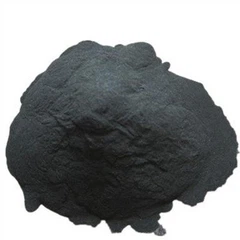
Graphite oxide powder, a derivative of graphite, has been a subject of increasing interest in various scientific and industrial fields. As a supplier of graphite oxide powder, I often receive inquiries about its potential applications, especially in the medical field. In this blog post, I will explore the question: Can graphite oxide powder be used in the medical field?


Properties of Graphite Oxide Powder
Before delving into its medical applications, it's essential to understand the properties of graphite oxide powder. Graphite oxide is formed by the oxidation of graphite, which introduces oxygen-containing functional groups such as hydroxyl, epoxy, and carboxyl groups onto the graphite layers. This oxidation process changes the physical and chemical properties of graphite, making graphite oxide powder hydrophilic and more reactive compared to pure graphite.
Graphite oxide powder has a high surface area, which allows it to interact with various molecules and substances. It also exhibits unique electrical and optical properties, which can be tuned by controlling the degree of oxidation and the size of the powder particles. These properties make graphite oxide powder a promising candidate for a wide range of applications, including in the medical field.
Potential Medical Applications
Drug Delivery
One of the most promising applications of graphite oxide powder in the medical field is drug delivery. The high surface area and functional groups of graphite oxide powder allow it to adsorb and carry drugs. The hydrophilic nature of graphite oxide also enables it to disperse well in aqueous solutions, which is essential for drug delivery systems in the body.
Studies have shown that graphite oxide powder can be used to encapsulate various drugs, including anti - cancer drugs. The drug - loaded graphite oxide can then be targeted to specific cells or tissues in the body. For example, by attaching targeting ligands to the surface of graphite oxide powder, it can be directed to cancer cells, increasing the efficacy of the drug and reducing its side effects on healthy cells.
Tissue Engineering
Tissue engineering aims to create functional tissues and organs by combining cells, scaffolds, and growth factors. Graphite oxide powder can be used as a component of scaffolds in tissue engineering. Its high surface area provides a suitable environment for cell attachment, proliferation, and differentiation.
The functional groups on the surface of graphite oxide powder can also be modified to incorporate bioactive molecules such as growth factors and cytokines. These bioactive molecules can promote cell growth and tissue regeneration. For example, in bone tissue engineering, graphite oxide - based scaffolds can provide mechanical support and stimulate the growth of bone cells.
Biosensing
Graphite oxide powder can be used in biosensing applications. Its unique electrical and optical properties make it sensitive to changes in the surrounding environment, such as the presence of specific biomolecules. By immobilizing biorecognition elements, such as antibodies or enzymes, on the surface of graphite oxide powder, it can be used to detect various biomolecules, including proteins, nucleic acids, and small molecules.
For example, a graphite oxide - based biosensor can be used to detect biomarkers in blood samples, which can be useful for early disease diagnosis. The high surface area of graphite oxide powder allows for a large number of biorecognition elements to be immobilized, increasing the sensitivity of the biosensor.
Challenges and Considerations
While the potential medical applications of graphite oxide powder are exciting, there are also several challenges and considerations that need to be addressed.
Biocompatibility
One of the most critical issues is the biocompatibility of graphite oxide powder. When introduced into the body, graphite oxide powder should not cause significant immune responses or toxicity. Studies have shown that the biocompatibility of graphite oxide depends on its size, shape, and surface chemistry. For example, small - sized graphite oxide particles may be more easily cleared from the body, reducing the risk of long - term toxicity.
Purity and Quality Control
To ensure the safety and efficacy of graphite oxide powder in medical applications, strict purity and quality control measures are required. Impurities in graphite oxide powder can affect its properties and may cause adverse effects in the body. As a supplier, we are committed to providing high - quality graphite oxide powder that meets the strictest standards.
Comparison with Other Graphite Powders
In the graphite powder market, there are different types of graphite powders, such as HP Graphite Powder, RP Graphite Powder, and Natural Flake Graphite Powder. Each type has its own unique properties and applications.
HP Graphite Powder is known for its high purity and excellent thermal conductivity, which makes it suitable for high - temperature applications. RP Graphite Powder has good mechanical properties and is often used in mechanical engineering. Natural Flake Graphite Powder has a flaky structure and is widely used in lubricants and refractories.
Compared to these graphite powders, graphite oxide powder has unique properties due to its oxidation and functionalization. Its hydrophilic nature and high surface area make it more suitable for medical applications, where interaction with biological molecules and cells is crucial.
Conclusion
In conclusion, graphite oxide powder has significant potential for use in the medical field, including drug delivery, tissue engineering, and biosensing. However, challenges such as biocompatibility and quality control need to be addressed. As a supplier of graphite oxide powder, we are constantly working on improving the quality and properties of our products to meet the requirements of the medical industry.
If you are interested in exploring the use of graphite oxide powder in your medical research or applications, we would be more than happy to discuss your needs and provide you with high - quality products. Please feel free to contact us for more information and to start a procurement discussion.
References
- Liu, Z., et al. "Carbon nanomaterials in biology and medicine: sensors, imaging, and drug delivery." Accounts of chemical research 42.12 (2009): 1972 - 1980.
- Wang, X., et al. "Graphene oxide: preparation, functionalization, and electrochemical applications." Chemical Society Reviews 41.16 (2012): 5368 - 5382.
- Zhang, X., et al. "Graphite oxide - based drug delivery systems: recent advances and challenges." Journal of Materials Chemistry B 3.22 (2015): 4421 - 4432.
Send Inquiry