

Can graphite blocks be used in geothermal energy applications?
Jul 14, 2025
Leave a message
Can graphite blocks be used in geothermal energy applications? That's a question I've been asked a lot lately, especially as more and more folks are looking into renewable energy sources. As a graphite blocks supplier, I've done my fair share of research on this topic, and I'm here to share what I've found.
First off, let's talk a bit about geothermal energy. Geothermal energy is all about tapping into the Earth's internal heat. It's a pretty cool concept - the heat from the Earth's core can be used to generate electricity, heat buildings, and even for other industrial processes. There are different types of geothermal systems, like binary cycle power plants, flash steam power plants, and direct-use systems.
Now, let's get to the main question: Can graphite blocks fit into this geothermal energy picture? Well, graphite has some pretty amazing properties that make it a potential candidate for geothermal applications.
One of the key properties of graphite is its high thermal conductivity. Thermal conductivity is basically how well a material can transfer heat. Graphite is known for being a great conductor of heat, which is super important in geothermal systems. In a geothermal power plant, for example, you need to efficiently transfer the heat from the hot water or steam coming from the ground to the power - generating equipment. Graphite blocks could potentially be used in heat exchangers. Heat exchangers are devices that transfer heat from one fluid to another without the two fluids mixing. Using graphite blocks in heat exchangers could help improve the efficiency of the heat transfer process, which in turn could increase the overall efficiency of the geothermal power plant.


Another great thing about graphite is its chemical stability. Geothermal fluids can be pretty harsh. They often contain various chemicals, such as salts, acids, and dissolved gases. These substances can corrode many materials over time. But graphite is highly resistant to chemical attack. So, if you use graphite blocks in parts of the geothermal system that come into contact with these fluids, like pipes or certain components in the power plant, they'll last longer and won't break down easily due to chemical reactions.
Graphite also has good mechanical strength at high temperatures. Geothermal systems often operate at high temperatures, especially in the case of high - temperature geothermal resources. Graphite blocks can maintain their shape and structural integrity even when exposed to these high temperatures. This means they can be used in components that need to withstand both high heat and mechanical stress, like some of the structural parts in a geothermal power plant.
However, it's not all sunshine and rainbows. There are also some challenges when it comes to using graphite blocks in geothermal energy applications.
One of the main challenges is the cost. Graphite can be relatively expensive compared to some other materials. The production process of high - quality graphite blocks involves several steps, and the raw materials themselves can be costly. This might make it a less attractive option for some geothermal projects, especially those on a tight budget.
Another issue is the potential for oxidation. Graphite can oxidize when exposed to oxygen at high temperatures. In a geothermal system, there might be some oxygen present in the fluids or in the environment around the equipment. Oxidation can weaken the graphite blocks over time and reduce their performance. So, if graphite blocks are to be used, proper measures need to be taken to prevent oxidation, such as using protective coatings.
Despite these challenges, I believe there's a lot of potential for graphite blocks in geothermal energy applications. In fact, some research and pilot projects are already exploring this possibility.
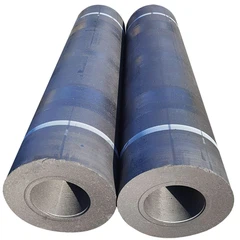
Now, let me tell you a bit about the different types of graphite products we offer as a supplier. We have Graphite Electrode Plates For Resistance Furnaces. These plates are made with high - quality graphite and are designed to be used in resistance furnaces. Although they're not directly for geothermal applications right now, their high - quality graphite composition shows the kind of quality we can provide.
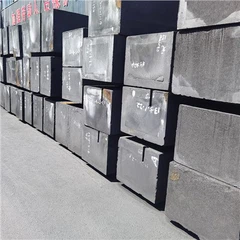
We also have Graphite Electrode Blocks For Glass Melting. These blocks are used in the glass - melting industry, where high temperatures and good electrical conductivity are required. The same properties that make them suitable for glass melting could potentially be useful in geothermal applications.
And then there are our Graphite Electrode Blocks For Aluminum Production. Aluminum production is another high - temperature industrial process, and these blocks are built to withstand those conditions. Similar to geothermal systems, high - temperature resistance and chemical stability are crucial in aluminum production, which are also important factors in geothermal applications.
If you're involved in a geothermal energy project or are just interested in exploring the use of graphite blocks in this field, I'd love to have a chat with you. We can discuss your specific needs, the potential applications of our graphite blocks in your project, and how we can work together to make it a success. Whether it's finding the right type of graphite block for your heat exchanger or developing a custom - made solution for your geothermal system, we're here to help.
In conclusion, while there are some challenges to overcome, graphite blocks definitely have the potential to play an important role in geothermal energy applications. Their thermal conductivity, chemical stability, and high - temperature strength make them an attractive option. As the demand for renewable energy continues to grow, I'm excited to see how graphite blocks could contribute to the development of more efficient and sustainable geothermal systems.
References
- "Geothermal Energy: Renewable Energy and the Environment" by John W. Lund, Neil E. Gehrig
- "Graphite and Its Composites" by B. R. Reddy
Send Inquiry