

Can graphite blocks be repaired if damaged?
Dec 19, 2025
Leave a message
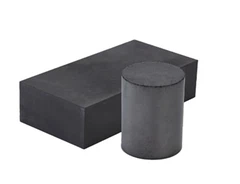
Can graphite blocks be repaired if damaged? That's a question I get a lot as a graphite block supplier. I'm here to break it all down for you and share some insights.
Understanding Graphite Blocks
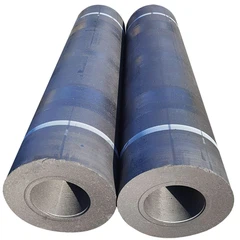
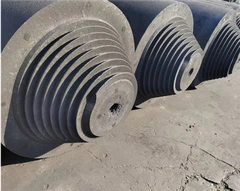
First things first, let's talk a bit about what graphite blocks are. Graphite is a form of carbon with some really cool properties. It's an excellent conductor of heat and electricity, has high thermal shock resistance, and can withstand pretty high temperatures. These properties make graphite blocks super useful in a bunch of industries. For example, in the steel industry, they're used in ladle furnaces. You can check out our Graphite Electrode Blocks For Ladle Furnaces for more details on that.
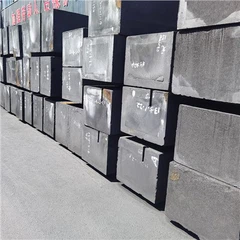
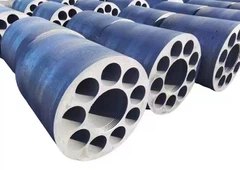
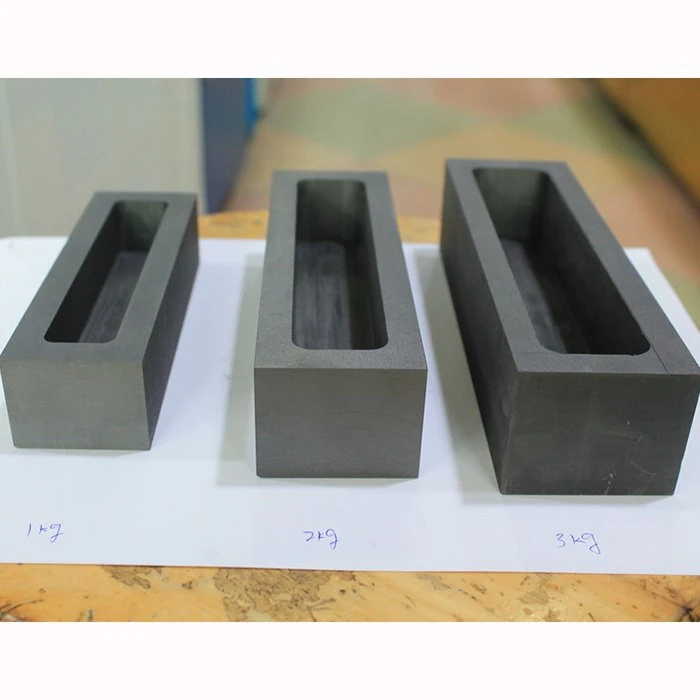
Graphite blocks also come in different shapes and sizes, and sometimes we have Irregular Graphite Block as well. The irregular ones are often used in unique applications where standard shapes just won't cut it. And then there are Graphite Electrode Plates For Ladle Furnaces, which are another important product in our lineup.
Causes of Graphite Block Damage
Now, let's get into why graphite blocks might get damaged in the first place. One of the most common causes is thermal stress. When graphite blocks are exposed to rapid changes in temperature, they can expand and contract quickly. Over time, this can lead to cracks and fractures. For example, in a ladle furnace, the temperature can go from really high to relatively low in a short period during the steel - making process.
Another cause is mechanical damage. This can happen during handling, installation, or operation. If the graphite blocks are dropped, hit by heavy objects, or subjected to excessive force, it can result in visible damage like chips or breakages. Chemical reactions can also play a part. In some industrial environments, graphite can react with certain chemicals, which might corrode or degrade the material.
Can They Be Repaired?
The big question - can damaged graphite blocks be repaired? Well, the answer is sometimes yes, but it depends on a few factors.
Small Surface Damage
For small surface damage like minor scratches or small chips, in many cases, the blocks can be repaired. One common method is to use a graphite - based repair material. This material has similar properties to the original graphite block, so it can bond well and fill in the damaged areas. The process usually involves cleaning the damaged area first to remove any dirt or debris. Then, the repair material is applied and shaped to match the original surface. After that, it might need some time to cure properly.
Cracks and Fractures
When it comes to cracks and fractures, the situation is a bit more complicated. For small, non - critical cracks, we can sometimes use a special adhesive or a high - temperature bonding agent. These agents are designed to hold the cracked parts together and restore some of the block's mechanical integrity. However, the effectiveness of this method depends on the depth and location of the crack. If the crack is very deep or in a critical area where the block needs to bear a lot of stress, the repair might not be as reliable.
In some cases, for larger cracks or severe fractures, it might be more practical to replace the block entirely. This is because trying to repair a severely damaged block might not guarantee the same level of performance as a new one. And in industrial applications, reliability is crucial. We don't want a repaired block to fail during operation and cause disruptions or damage to the equipment.
Chemical Degradation
When it comes to graphite blocks damaged by chemical reactions, repairing them can be quite challenging. Once the graphite has been chemically degraded, it's difficult to fully restore its original properties. In most cases, if the chemical damage is extensive, replacing the block is the best option. However, for minor chemical damage, there might be some surface treatment methods that can remove the affected layer and expose the undamaged graphite underneath.

Factors to Consider for Repair
Before deciding whether to repair a damaged graphite block or replace it, there are a few factors you need to think about.
Cost
Cost is a major factor. Sometimes, the cost of repairing a graphite block can be close to or even higher than the cost of a new block. If that's the case, it might make more sense to just buy a new one. However, if the repair cost is significantly lower and the block is still in relatively good condition overall, then repair could be a good option.
Time
The time required for repair is also important. In some industrial settings, downtime can be very costly. If repairing a graphite block will take a long time, it might be better to replace it quickly to get the equipment back up and running. On the other hand, if there's some flexibility in the schedule, taking the time to repair the block could be worth it.
Availability
The availability of replacement blocks can also influence the decision. If a replacement block is not readily available and it will take a long time to get one, then attempting a repair could be a practical solution in the short term.
Our Role as a Supplier
As a graphite block supplier, we understand how important it is to make the right decisions when it comes to damaged graphite blocks. We're not just here to sell you new blocks. We're also happy to offer advice on whether a damaged block can be repaired and what the best approach might be.
If you're facing issues with damaged graphite blocks, don't hesitate to reach out to us. We have a team of experts with a lot of experience in the graphite industry. They can evaluate the situation and provide you with detailed guidance. Whether you consider repairing or replacing the blocks, we can assist you in making the most cost - effective and reliable choice.
So, if you have any questions about graphite blocks, whether they're damaged or you're just looking for new ones for your business, don't be shy! Contact us for a friendly chat and let's see how we can work together to meet your needs. We're always here to help you make the best decisions for your operations.
References
- "Graphite and Its Applications" - A general industry publication on the properties and uses of graphite.
- "Industrial Materials Handbook" - A comprehensive guide that includes information on graphite materials and their damage mechanisms.
Send Inquiry