

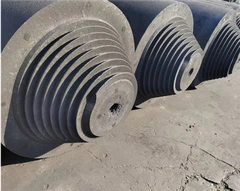
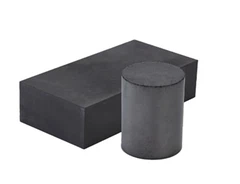
Can a graphite block be used in a dynamic environment?
Jan 05, 2026
Leave a message
Can a graphite block be used in a dynamic environment?
As a supplier of high - quality graphite blocks, I've often been asked about the viability of using graphite blocks in dynamic environments. This question is crucial as it pertains to the diverse applications and performance expectations of our products.
Graphite is a unique form of carbon with remarkable properties. It has excellent thermal conductivity, high melting point, good chemical stability, and self - lubricating characteristics. These properties make it a popular choice in many industrial applications. However, when considering a dynamic environment, we need to look at several factors more closely.
Physical and Mechanical Properties in a Dynamic Setting
In a dynamic environment, there are forces such as vibration, impact, and cyclic loading. Graphite, being a brittle material to some extent, needs to be evaluated for its ability to withstand these forces. The density and structure of the graphite block play a significant role here. High - density graphite blocks are generally more resistant to fragmentation and abrasion under dynamic conditions. For example, in high - speed machining where the cutting tool is constantly in motion, a high - density graphite block can maintain its shape and integrity better than a low - density one.
The grain size of the graphite also affects its performance in a dynamic environment. Finer - grained graphite has better mechanical strength and is less likely to crack under impact. In applications like the electrodes in electric arc furnaces, which are subject to rapid changes in temperature and mechanical disturbances during the melting process, finer - grained graphite electrodes can endure the harsh dynamic conditions more effectively.
Thermal Properties and Dynamic Conditions
Thermal management is critical in a dynamic environment. Graphite's high thermal conductivity is an advantage as it can quickly dissipate heat generated during dynamic operations. Consider an electrical motor where the graphite brushes are in continuous motion against the commutator. The heat produced due to friction and electrical resistance needs to be removed rapidly to prevent overheating, which could damage the components. The excellent thermal conductivity of graphite helps in maintaining a stable operating temperature.
However, thermal cycling can be a challenge. In a dynamic environment with frequent temperature changes, the graphite block may experience thermal expansion and contraction. This can lead to internal stresses, and if not properly managed, it may cause cracking or delamination. Special grades of graphite with low coefficient of thermal expansion are often used in applications where thermal cycling is severe, such as in aerospace components subject to high - speed flight and rapid temperature variations.
Chemical Stability in Dynamic Systems
Graphite is known for its good chemical stability, which is beneficial in a dynamic environment where it may come into contact with various chemicals. For instance, in the chemical processing industry, graphite heat exchangers are used to transfer heat between different chemical substances. The graphite blocks in these heat exchangers are continuously in motion as the fluids flow through the system. The chemical stability of graphite ensures that it does not react with most chemicals under normal operating conditions, thus maintaining the integrity of the heat exchanger.
But in some cases, there may be aggressive chemicals or high - energy chemical reactions in the dynamic system. For example, in a battery manufacturing process where graphite electrodes are used, the electrochemical reactions can be quite complex. Special surface treatments or coatings may be applied to the graphite blocks to enhance their chemical resistance and protect them from degradation in such aggressive dynamic chemical environments.


Applications of Graphite Blocks in Dynamic Environments
- Electrical and Electronic Applications
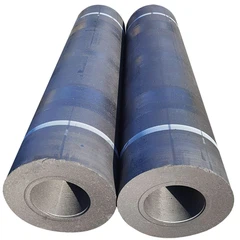
- In power generation and transmission, Graphite Electrode Squares are used in electric arc furnaces. The electrodes are in a dynamic state as they are constantly adjusted during the melting process to maintain optimal electrical conductivity. The self - lubricating property of graphite reduces the friction between the electrode holder and the electrode, allowing for smooth movement.
- In electronic devices such as computers and mobile phones, graphite heat spreaders are used to dissipate heat from the central processing units (CPUs). The CPUs generate heat during operation, and the graphite heat spreaders transfer this heat away. The dynamic nature of the CPU's operation, with varying levels of computational load, requires the graphite heat spreader to be effective in different heat - generation scenarios.
- Mechanical Engineering Applications
- Graphite bearings are used in machinery where there is relative motion between parts. The self - lubricating property of graphite eliminates the need for additional lubricants in some cases, reducing maintenance requirements. In high - speed rotating equipment, such as turbines, graphite bearings can operate under dynamic conditions and provide reliable support.
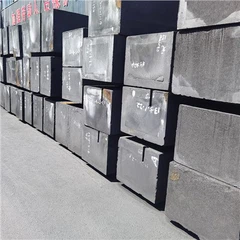
- Graphite Electrode Blocks For Ladle Furnaces are used in ladle furnaces for secondary steelmaking. The ladle furnace is a dynamic system where the molten steel is stirred and heated. The graphite electrode blocks must be able to withstand the high temperatures, mechanical vibration, and chemical reactions in this environment.
- Aerospace and Automotive Applications
- In the aerospace industry, graphite composites are used in aircraft components such as brakes and wing structures. The high strength - to - weight ratio of graphite and its thermal stability make it suitable for these dynamic applications. During take - off, flight, and landing, the aircraft components are subject to a wide range of forces and temperature variations.
- In the automotive industry, graphite - coated pistons are used in high - performance engines. The graphite coating reduces friction between the piston and the cylinder wall, improving engine efficiency. The pistons are in continuous motion, and the graphite coating needs to maintain its integrity under the dynamic conditions of the engine operation.
Considerations for Using Graphite Blocks in Dynamic Environments
When using graphite blocks in dynamic environments, proper design and installation are essential. For example, in an electrical system, the connection between the graphite electrode and the power supply needs to be secure to prevent electrical arcing and mechanical instability. The mounting of graphite components in a mechanical system should be designed to minimize vibration and impact.
Regular maintenance and inspection are also crucial. In a dynamic environment, the graphite block may experience wear and tear over time. Inspecting for cracks, abrasion, and chemical degradation can help in detecting potential problems early and taking corrective actions.
Conclusion
In conclusion, graphite blocks can indeed be used in dynamic environments, but it requires a comprehensive understanding of their properties and the specific requirements of the application. The unique properties of graphite, such as thermal conductivity, self - lubricating ability, and chemical stability, make it a suitable material for many dynamic applications. However, proper selection, design, installation, and maintenance are necessary to ensure optimal performance.
If you are considering using graphite blocks in a dynamic environment or have any specific requirements, we invite you to engage in a procurement discussion with our team. We have a wide range of graphite block products, including Graphite electrode plates for powder metallurgy, and can provide customized solutions based on your needs.
References
- "Graphite and Its Applications" - Industrial Minerals Handbook
- "The Physical Properties of Graphite in Engineering Applications" - Journal of Materials Science and Engineering
- "Using Graphite in Dynamic Systems: A Case Study" - Proceedings of the International Conference on Advanced Materials and Manufacturing Technology
Send Inquiry