

Can a graphite block be bent?
Dec 10, 2025
Leave a message
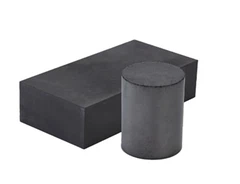
Can a graphite block be bent? This is a question that might seem a bit unusual at first glance, but it delves deep into the properties of graphite and its various applications. As a supplier of Graphite Block, I've encountered many inquiries regarding the flexibility and malleability of graphite blocks. In this blog post, we'll explore the science behind graphite, its physical characteristics, and whether it's possible to bend a graphite block.
Graphite is a fascinating form of carbon. It consists of layers of carbon atoms arranged in a hexagonal lattice. These layers are held together by weak van der Waals forces, which allow the layers to slide over each other relatively easily. This unique structure gives graphite several remarkable properties, such as high electrical conductivity, thermal conductivity, and lubricity.
When it comes to the question of bending a graphite block, we need to understand the concept of mechanical properties. In general, the mechanical properties of a material determine how it responds to external forces, such as bending, stretching, or compression. Graphite is known for its brittleness. Brittleness refers to a material's tendency to break rather than deform plastically when subjected to stress. This is because the bonds between the carbon atoms within the layers are strong, but the bonds between the layers are relatively weak.
Most traditional graphite blocks are indeed quite brittle. When you apply a bending force to a typical graphite block, the stress causes the layers to break rather than deform in a continuous, plastic manner. For example, if you try to bend a large, solid graphite block with your hands, it will likely crack or shatter before it bends. This brittleness is one of the limitations when using graphite in applications where flexibility is required.
However, there are exceptions. In recent years, researchers and manufacturers have been exploring ways to modify the structure of graphite to improve its flexibility. One approach is to use graphite in the form of composites. By combining graphite with other materials, such as polymers or fibers, it's possible to create materials that have a certain degree of flexibility while still retaining some of the desirable properties of graphite.
For instance, graphite - polymer composites can be engineered to have enhanced mechanical properties. The polymer matrix can help distribute the stress more evenly, reducing the likelihood of brittle fracture. These composites can be molded into various shapes and may exhibit some degree of bendability. Another example is the use of graphite fibers. Graphite fibers are thin, long strands of graphite that can be woven into fabrics or incorporated into other materials. These fibers can be bent and shaped to some extent, making them suitable for applications where flexibility is needed, such as in aerospace and automotive industries for lightweight and high - strength components.
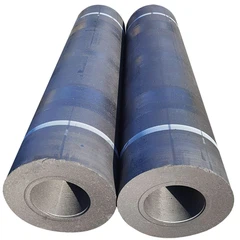
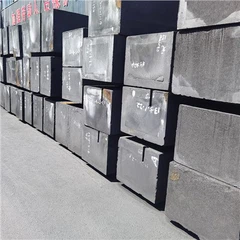
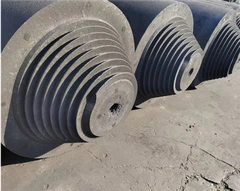
In the context of our business as a Graphite Block supplier, we offer a wide range of graphite products for different applications. Our Graphite Electrode Blocks For Glass Melting are designed to withstand high temperatures and chemical corrosion during the glass - melting process. These blocks are typically made with a high - purity graphite to ensure optimal performance. While they are not flexible in the traditional sense, their high - strength and thermal stability are crucial for this application.


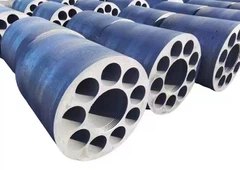
On the other hand, our Graphite Block After Processing Electrode are processed to meet specific requirements. The processing can involve machining, heat treatment, and other techniques to enhance the properties of the graphite block. Although these blocks may still have some degree of brittleness, they are carefully engineered to have the right balance of properties for electrode applications, such as high electrical conductivity and low resistance.
The brittleness of graphite blocks also has implications for handling and installation. When working with graphite blocks, it's important to take precautions to avoid excessive stress. For example, during transportation and storage, the blocks should be properly supported and protected to prevent cracking. In installation, the design should take into account the limited flexibility of the graphite, ensuring that the forces applied are within the material's capacity.
In some industries, the demand for flexible graphite materials is growing. In the electronics industry, for example, there is a need for flexible conductive materials. Graphite - based materials could potentially be used in flexible printed circuit boards or wearable electronics. However, further research and development are needed to overcome the challenges associated with the brittleness of graphite and to optimize the manufacturing processes for these applications.
As a supplier, we are constantly looking for ways to meet the evolving needs of our customers. We work closely with research institutions and other partners to explore new materials and technologies. We are interested in developing more flexible graphite products or improving the existing ones to expand their application scope.
If you are in the market for graphite blocks or are interested in exploring the possibilities of using graphite in your projects, we invite you to contact us. Whether you need traditional graphite blocks for high - temperature applications or are looking for innovative, flexible graphite solutions, we can provide you with the expertise and products to meet your requirements. Our team of experts is ready to discuss your specific needs and help you find the best graphite products for your business.
In conclusion, while traditional graphite blocks are generally brittle and not easily bent, there are emerging technologies and materials that offer the potential for more flexible graphite - based products. The future of graphite in terms of flexibility is promising, and we are excited to be part of this development. If you have any questions or would like to start a procurement discussion, please reach out to us. We look forward to working with you to find the perfect graphite solutions for your needs.
References
- "The Physics and Chemistry of Carbon", Edited by Peter A. Thrower
- "Carbon Materials for Advanced Technologies", Edited by M. S. Dresselhaus, G. Dresselhaus, and A. J. Fischer
- Research papers on graphite composites and flexible graphite materials from scientific journals such as "Carbon" and "Journal of Materials Science"
Send Inquiry