

How to cut graphite blocks?
Aug 01, 2025
Leave a message
Graphite blocks are widely used in various industries due to their excellent properties such as high thermal conductivity, chemical stability, and electrical conductivity. As a leading graphite blocks supplier, we understand the importance of providing high - quality products and also the knowledge of how to cut these graphite blocks effectively. In this blog, we will explore different methods of cutting graphite blocks, the tools required, and safety precautions to take.
Understanding Graphite Blocks
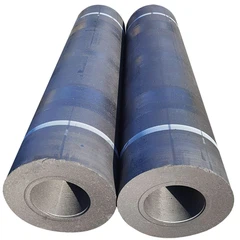
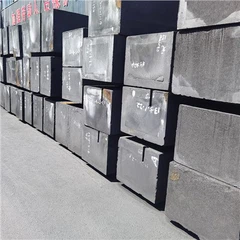
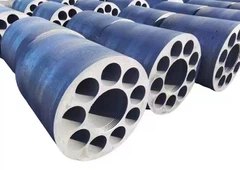
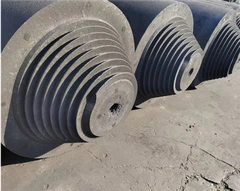
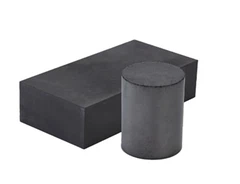
Before delving into the cutting process, it's essential to understand the nature of graphite blocks. Graphite is a form of carbon with a unique crystal structure that gives it its remarkable properties. Our company offers a wide range of graphite blocks, including Graphite Electrode Squares, Graphite Electrode Blocks For Glass Melting, and Graphite Electrode Blocks. These blocks come in different sizes, densities, and purities, depending on the specific application.
Tools for Cutting Graphite Blocks
- Diamond - tipped Saw Blades
Diamond - tipped saw blades are one of the most commonly used tools for cutting graphite blocks. The diamond particles on the blade are extremely hard and can easily cut through the graphite. These saw blades are available in different sizes and tooth configurations, depending on the thickness and hardness of the graphite block. For thinner graphite blocks, a fine - toothed blade may be more suitable, while a coarser - toothed blade can be used for thicker blocks. - Waterjet Cutting Machines
Waterjet cutting machines use a high - pressure stream of water mixed with abrasive particles to cut through the graphite. This method is highly precise and can create complex shapes with minimal heat generation. Waterjet cutting is ideal for cutting graphite blocks that require high - precision cuts, such as those used in electronic components or aerospace applications. - Laser Cutting Machines
Laser cutting machines use a high - energy laser beam to melt and vaporize the graphite. This method is very fast and can produce clean, sharp cuts. However, laser cutting may not be suitable for all types of graphite blocks, especially those with high impurities or large grain sizes. The heat generated during laser cutting can also cause thermal stress in the graphite, which may lead to cracking or warping.
Cutting Methods
- Manual Cutting with a Saw
Manual cutting with a saw is a simple and cost - effective method for cutting graphite blocks. First, mark the cutting line on the graphite block using a ruler and a marker. Then, secure the block firmly on a workbench using clamps. When using a diamond - tipped saw blade, make sure to wear safety goggles and a dust mask to protect yourself from flying debris and graphite dust. Start the saw and slowly guide it along the marked cutting line, applying gentle pressure. Take your time and let the saw do the work to avoid overheating the blade and damaging the graphite. - Using a Waterjet Cutting Machine
When using a waterjet cutting machine, the first step is to create a CAD (Computer - Aided Design) model of the desired shape. The CAD model is then imported into the waterjet cutting machine's control software. The machine will automatically position the graphite block and start the cutting process. During the cutting process, it's important to monitor the machine to ensure that the water pressure and abrasive flow rate are within the recommended range. - Laser Cutting
For laser cutting, the graphite block is placed on the cutting table of the laser cutting machine. The operator then programs the machine with the cutting parameters, such as the laser power, cutting speed, and focal length. The laser beam is then directed onto the graphite block, and the machine moves the beam along the cutting path. Laser cutting requires careful calibration to ensure that the laser beam is focused correctly and that the cutting parameters are optimized for the specific type of graphite block.
Safety Precautions
- Dust Control
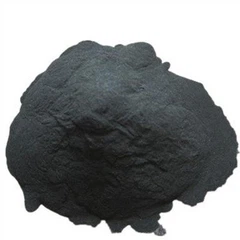
Graphite dust is a health hazard and can cause respiratory problems if inhaled. When cutting graphite blocks, it's important to use a dust collection system to capture the dust. This can be a simple vacuum cleaner with a HEPA (High - Efficiency Particulate Air) filter or a more advanced industrial dust collection system. Additionally, wear a dust mask to protect your lungs from the dust. - Eye and Ear Protection
When using power tools such as saws, waterjet cutting machines, or laser cutting machines, it's essential to wear safety goggles to protect your eyes from flying debris. If the cutting process is noisy, wear earplugs or earmuffs to prevent hearing damage. - Fire Safety
Although graphite is a relatively non - flammable material, the heat generated during cutting, especially with laser cutting, can pose a fire risk. Keep a fire extinguisher nearby and make sure that the work area is free of flammable materials.
Quality Control After Cutting
After cutting the graphite blocks, it's important to perform quality control checks to ensure that the cuts meet the required specifications. Check the dimensions of the cut graphite pieces using a caliper or a micrometer. Look for any signs of cracking, chipping, or warping. If the cuts do not meet the specifications, the graphite blocks may need to be re - cut or further processed.
Conclusion
Cutting graphite blocks requires the right tools, methods, and safety precautions. As a graphite blocks supplier, we are committed to providing our customers with high - quality graphite products and the knowledge to use them effectively. Whether you need Graphite Electrode Squares, Graphite Electrode Blocks For Glass Melting, or Graphite Electrode Blocks, we can offer you the best solutions for your cutting needs.
If you are interested in purchasing our graphite blocks or have any questions about cutting graphite, please feel free to contact us. Our team of experts is always ready to assist you with your procurement and provide you with professional advice.


References
- "Graphite: Properties, Applications, and Processing" - A technical handbook on graphite materials
- "Cutting Technologies for Advanced Materials" - A research paper on different cutting methods for hard materials
- Safety guidelines provided by the manufacturers of diamond - tipped saw blades, waterjet cutting machines, and laser cutting machines.
Send Inquiry