

How does UHP Graphite Powder affect the flame retardancy of materials?
Jun 05, 2025
Leave a message
Ultra-high purity (UHP) graphite powder has emerged as a remarkable material with diverse applications, especially in enhancing the flame retardancy of various materials. As a supplier of UHP graphite powder, I have witnessed firsthand its transformative impact on the fire - safety properties of different substances. In this blog, I will delve into the science behind how UHP graphite powder affects the flame retardancy of materials.
The Basics of Flame Retardancy
Before exploring the role of UHP graphite powder, it is essential to understand the concept of flame retardancy. Flame retardancy refers to the ability of a material to resist ignition, slow down the spread of fire, and reduce the intensity of a fire once it starts. This property is crucial in many industries, including construction, automotive, and electronics, where fire safety is a top priority.
Flame retardants work through several mechanisms. They can act as a physical barrier, preventing oxygen from reaching the combustible material. They can also absorb heat, thus reducing the temperature of the material and preventing it from reaching its ignition point. Some flame retardants decompose at high temperatures, releasing non - combustible gases that dilute the oxygen in the vicinity of the fire.
Properties of UHP Graphite Powder
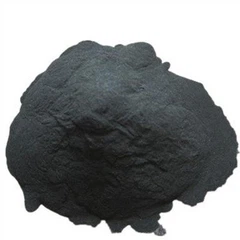
UHP graphite powder is characterized by its high purity, typically above 99.9%. This high purity ensures that it has consistent and reliable properties. Graphite is a form of carbon with a unique layered structure. The layers are held together by weak van der Waals forces, which allow the layers to slide over each other easily.
One of the most important properties of graphite is its high thermal conductivity. It can quickly transfer heat away from the source of ignition. Additionally, graphite is chemically stable and has a high melting point (around 3600°C), which means it can withstand high temperatures without decomposing or losing its structural integrity.
Mechanisms of Flame Retardancy with UHP Graphite Powder
Physical Barrier Formation
When UHP graphite powder is incorporated into a material, it can form a physical barrier on the surface of the material during combustion. As the material starts to burn, the graphite layers can align and stack on the surface, creating a dense and heat - resistant layer. This layer acts as a shield, preventing oxygen from reaching the underlying combustible material and also reducing the heat transfer from the flame to the material.
For example, in polymer - based materials, the addition of UHP graphite powder can lead to the formation of a char layer on the surface during burning. This char layer is rich in graphite and is highly resistant to heat and oxygen penetration. It effectively slows down the combustion process and reduces the release of flammable gases.
Heat Absorption and Dissipation
The high thermal conductivity of UHP graphite powder allows it to absorb and dissipate heat rapidly. When a fire starts, the graphite powder in the material quickly conducts the heat away from the ignition source. This reduces the temperature of the material, making it less likely to reach its ignition point and also slowing down the rate of combustion.
In composite materials, such as those used in aerospace applications, the presence of UHP graphite powder can help to maintain the structural integrity of the material during a fire. By dissipating the heat, it prevents the material from melting or deforming too quickly, which could lead to catastrophic failure.
Gas Dilution
Under high - temperature conditions, UHP graphite powder can react with oxygen in a controlled manner. This reaction releases carbon dioxide gas, which is non - combustible. The release of carbon dioxide dilutes the oxygen concentration in the vicinity of the fire, making it more difficult for the fire to sustain itself.
In fire - retardant coatings, the addition of UHP graphite powder can enhance the gas - dilution effect. As the coating is exposed to fire, the graphite powder decomposes slightly, releasing carbon dioxide and other non - combustible gases. This creates a protective atmosphere around the coated material, reducing the risk of ignition and flame spread.

Applications of UHP Graphite Powder for Flame Retardancy
Construction Industry
In the construction industry, materials such as insulation boards, cables, and structural composites need to have good flame - retardant properties. UHP graphite powder can be added to these materials to improve their fire safety. For example, in insulation materials, it can form a heat - resistant barrier that prevents the spread of fire through the building envelope.
Automotive Industry
Automotive components, including interior trim, wiring harnesses, and battery enclosures, require flame retardancy. UHP graphite powder can be incorporated into plastics and composites used in these components. It not only enhances the fire safety but also improves the mechanical properties of the materials, such as strength and stiffness.
Electronics Industry
In the electronics industry, printed circuit boards (PCBs), battery packs, and electronic enclosures need to be flame - retardant. UHP graphite powder can be used in the manufacturing of these components to prevent short - circuits and fires caused by overheating. It can also help to dissipate the heat generated by electronic devices, improving their overall performance and reliability.
Comparison with Other Flame Retardants
There are many types of flame retardants available in the market, such as halogen - based flame retardants, phosphorus - based flame retardants, and metal hydroxide flame retardants. Each type has its own advantages and disadvantages.
Halogen - based flame retardants are effective but have raised environmental concerns due to the release of toxic and corrosive gases during combustion. Phosphorus - based flame retardants can be expensive and may have limited compatibility with some materials. Metal hydroxide flame retardants require high loading levels to be effective, which can affect the mechanical properties of the material.
UHP graphite powder offers a more environmentally friendly alternative. It does not release toxic gases during combustion and has minimal impact on the mechanical properties of the material. It can be used in combination with other flame retardants to achieve synergistic effects, enhancing the overall flame - retardant performance.
Quality and Supply of UHP Graphite Powder
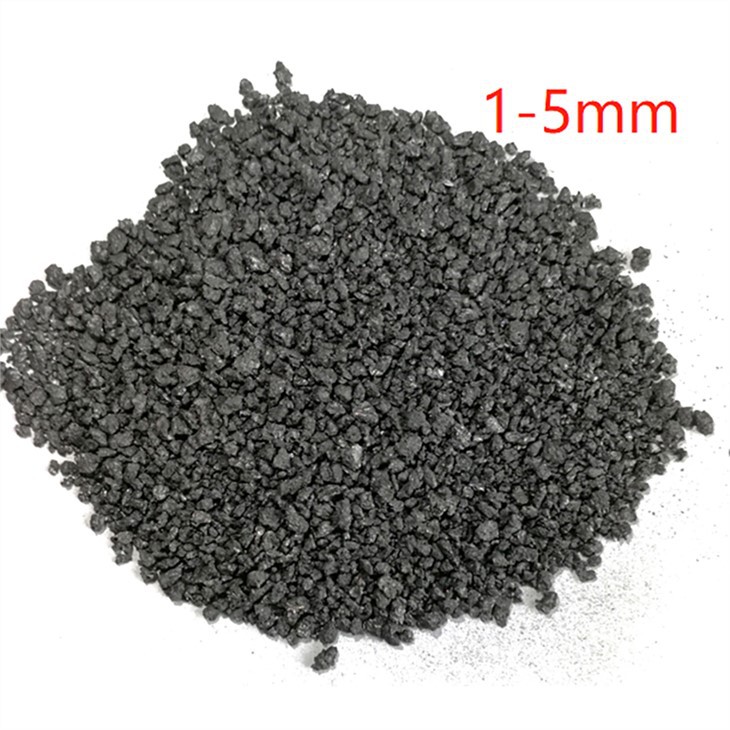
As a supplier of UHP graphite powder, I understand the importance of quality control. We use advanced purification processes to ensure that our graphite powder has a purity of over 99.9%. We also offer a range of particle sizes to meet the specific requirements of different applications.
In addition to UHP graphite powder, we also supply other types of graphite powders, such as Graphite Oxide Powder, Synthetic Graphite Powder, and Artificial Graphite Powder. These powders also have unique properties and can be used in various applications, including flame retardancy.
Conclusion
UHP graphite powder plays a crucial role in enhancing the flame retardancy of materials through multiple mechanisms, including physical barrier formation, heat absorption and dissipation, and gas dilution. Its unique properties, such as high purity, thermal conductivity, and chemical stability, make it an ideal choice for a wide range of applications in different industries.
If you are looking for a reliable and effective flame - retardant solution, UHP graphite powder is definitely worth considering. As a trusted supplier, we are committed to providing high - quality products and excellent customer service. If you are interested in purchasing UHP graphite powder or would like to discuss your specific requirements, please feel free to contact us for further information and to start a procurement negotiation.
References
- Wang, X., & Li, Y. (2018). Flame - retardant mechanisms of graphite - based materials in polymer composites. Journal of Materials Chemistry A, 6(34), 16745 - 16763.
- Zhang, L., & Liu, H. (2020). Thermal conductivity and flame - retardant properties of graphite - filled polymer composites. Polymer Testing, 85, 106683.
- Li, Z., & Chen, X. (2019). Application of ultra - high purity graphite powder in fire - retardant coatings. Progress in Organic Coatings, 137, 105342.
Send Inquiry