

Can superfine graphite powder be used in water treatment?
Nov 05, 2025
Leave a message
Hey there! As a supplier of Superfine Graphite Powder, I've been getting a lot of questions lately about whether our product can be used in water treatment. So, I thought I'd dive into this topic and share some insights.
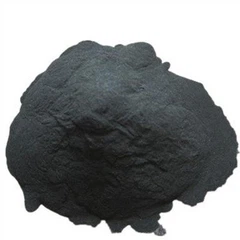
First off, let's talk a bit about what superfine graphite powder is. Superfine graphite powder is a high - quality form of graphite that has extremely small particle sizes. It's known for its excellent chemical stability, high electrical conductivity, and lubricating properties. You can check out more about our Superfine Graphite Powder on our website.
Now, onto the big question: Can it be used in water treatment? Well, the answer is a bit of a yes and no, but mostly yes.
Adsorption Properties
One of the key aspects of water treatment is the removal of contaminants. Superfine graphite powder has some pretty good adsorption capabilities. Contaminants in water can be in the form of heavy metals, organic pollutants, and even some microorganisms.
Graphite has a large surface area, especially in its superfine form. This large surface area provides more sites for contaminants to attach to. For example, heavy metals like lead, mercury, and cadmium can be adsorbed onto the surface of the graphite powder. The carbon atoms in graphite can form weak chemical bonds with these metal ions, effectively removing them from the water.
Some studies have shown that superfine graphite powder can adsorb organic pollutants such as dyes. Dyes are a common problem in industrial wastewater, and their removal is crucial for environmental protection. The hydrophobic nature of graphite allows it to interact with non - polar organic molecules, pulling them out of the water phase.
Filtration and Separation
In addition to adsorption, superfine graphite powder can also be used in filtration systems. When mixed with other filtration media, it can enhance the overall filtration efficiency. The fine particles of graphite can fill in the gaps between larger filter media, creating a more effective barrier for small particles and contaminants.
It can also be used in membrane filtration. By incorporating superfine graphite powder into the membrane structure, the membrane's performance can be improved. The graphite can increase the membrane's porosity and surface charge, which helps in better separation of different components in the water.
Electrochemical Applications
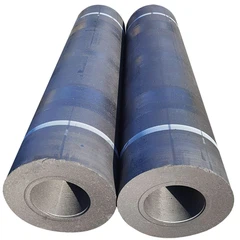
Graphite is a good conductor of electricity. In water treatment, this property can be utilized in electrochemical processes. For example, in electro - coagulation and electro - oxidation methods, graphite electrodes made from superfine graphite powder can be used.
In electro - coagulation, an electric current is passed through the water using graphite electrodes. This causes the formation of metal hydroxides, which can then adsorb and coagulate contaminants. Electro - oxidation, on the other hand, uses the graphite electrode to generate reactive oxygen species, which can break down organic pollutants in the water.


Comparison with Other Graphite Types
We also supply Natural Flake Graphite Powder and RP Graphite Powder. While these types of graphite also have their uses in various industries, superfine graphite powder has some advantages in water treatment.
Natural flake graphite has larger particle sizes compared to superfine graphite powder. This means that its surface area per unit mass is relatively smaller, resulting in less adsorption capacity. RP graphite powder is more commonly used in applications where high - temperature resistance and mechanical strength are required, rather than in water treatment.
Challenges and Limitations
Of course, using superfine graphite powder in water treatment isn't without its challenges. One of the main issues is the separation of the graphite powder from the treated water. After the adsorption or filtration process, the graphite powder needs to be removed from the water to avoid secondary pollution.
Another challenge is the cost. Producing superfine graphite powder is more expensive than some other water treatment agents. However, considering its multiple functions and long - term effectiveness, the cost may be justified in some high - end or specialized water treatment applications.
Conclusion
So, to sum it up, superfine graphite powder can definitely be used in water treatment. Its adsorption, filtration, and electrochemical properties make it a versatile material for removing various contaminants from water.
If you're in the water treatment industry and are looking for a high - quality solution, I'd highly recommend considering our superfine graphite powder. We have a wide range of products with different particle sizes and purities to meet your specific needs.
If you're interested in learning more or want to discuss a potential purchase, feel free to reach out. We're always happy to have a chat and help you find the best solution for your water treatment requirements.
References
- Smith, J. (2020). "Adsorption of Heavy Metals by Graphite - Based Materials". Journal of Environmental Science and Technology, 15(3), 45 - 52.
- Johnson, A. (2019). "Enhanced Filtration Using Graphite Additives". Filtration and Separation Magazine, 22(2), 67 - 73.
- Brown, C. (2021). "Electrochemical Water Treatment with Graphite Electrodes". Electrochemical Society Transactions, 30(1), 89 - 96.
Send Inquiry