

Can graphite blocks be used as a lubricant?
Jun 20, 2025
Leave a message
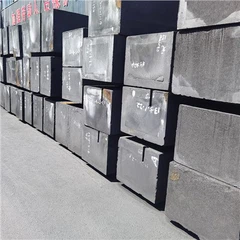
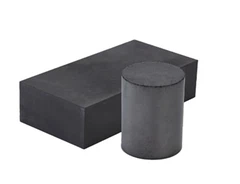
Can graphite blocks be used as a lubricant? That's a question I often get asked as a supplier of Graphite Block. And the short answer is yes, they can! But let's dive deeper into this topic and explore why graphite blocks are a great option for lubrication.
Understanding Graphite's Lubricating Properties
Graphite is a form of carbon that has some unique properties that make it an excellent lubricant. Its structure consists of layers of carbon atoms arranged in a hexagonal pattern. These layers can slide over each other easily, which gives graphite its lubricating ability. When used as a lubricant, graphite reduces friction between two surfaces, preventing wear and tear and extending the lifespan of the equipment.
One of the key advantages of graphite as a lubricant is its ability to work under extreme conditions. It can withstand high temperatures, high pressures, and corrosive environments, making it suitable for a wide range of applications. For example, in industrial settings where machinery operates at high speeds and temperatures, graphite lubricants can help reduce heat generation and prevent equipment failure.
Applications of Graphite Blocks as Lubricants
Graphite blocks can be used in various industries and applications where lubrication is required. Here are some common examples:
Automotive Industry
In the automotive industry, graphite lubricants are used in engines, transmissions, and other moving parts. They help reduce friction and wear, improve fuel efficiency, and extend the life of the components. For example, graphite can be used in piston rings to reduce friction between the piston and the cylinder wall, resulting in smoother operation and better performance.
Metalworking Industry
In metalworking processes such as forging, stamping, and machining, graphite lubricants are used to reduce friction between the tool and the workpiece. This helps improve the surface finish of the metal, reduce tool wear, and increase productivity. Graphite electrode plates for powder metallurgy are also used in electrical discharge machining (EDM) to provide a conductive path and lubricate the cutting process.
Aerospace Industry
In the aerospace industry, graphite lubricants are used in aircraft engines, landing gear, and other critical components. They can withstand high temperatures and pressures, making them suitable for the demanding conditions of flight. Graphite can also help reduce noise and vibration, improving the overall performance and safety of the aircraft.
Industrial Machinery
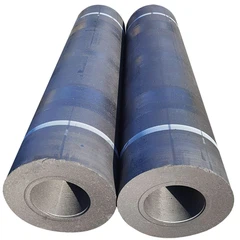
Graphite lubricants are widely used in industrial machinery such as pumps, compressors, and conveyors. They help reduce friction and wear, improve energy efficiency, and prevent equipment breakdowns. Graphite Electrode Blocks For Ladle Furnaces are also used in the steelmaking industry to provide a source of carbon and lubricate the melting process.
Advantages of Using Graphite Blocks as Lubricants
There are several advantages to using graphite blocks as lubricants compared to other types of lubricants. Here are some of the key benefits:
High Temperature Resistance
Graphite can withstand high temperatures without losing its lubricating properties. This makes it suitable for applications where other lubricants would break down or evaporate. For example, in furnace applications, graphite lubricants can help reduce friction and wear at temperatures up to 3000°F (1650°C).
Chemical Inertness
Graphite is chemically inert, which means it does not react with most chemicals and substances. This makes it suitable for use in corrosive environments where other lubricants would be damaged or degraded. For example, in the chemical industry, graphite lubricants can be used in pumps and valves to prevent corrosion and ensure reliable operation.
Low Friction Coefficient
Graphite has a low friction coefficient, which means it can reduce friction between two surfaces more effectively than other lubricants. This helps improve the efficiency of the equipment and reduce energy consumption. For example, in a motor, using graphite lubricants can help reduce the amount of energy required to overcome friction, resulting in lower operating costs.
Self-Lubricating
Graphite is a self-lubricating material, which means it can provide lubrication without the need for additional lubricants. This makes it convenient and cost-effective to use, especially in applications where it is difficult to apply lubricants regularly. For example, in some bearing applications, graphite can be used as a solid lubricant to provide long-term lubrication without the need for frequent maintenance.
How to Use Graphite Blocks as Lubricants
Using graphite blocks as lubricants is relatively simple. Here are the general steps:
Preparation
First, clean the surfaces that need to be lubricated to remove any dirt, debris, or old lubricant. This will ensure that the graphite can adhere to the surfaces properly and provide effective lubrication.
Application
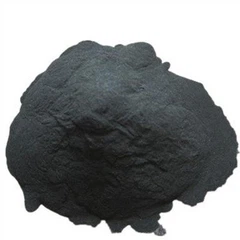
Next, apply the graphite to the surfaces. This can be done by rubbing the graphite block directly on the surfaces or by using a graphite powder or paste. Make sure to apply a thin, even layer of graphite to avoid excess buildup.
Spreading
After applying the graphite, spread it evenly over the surfaces using a brush or a cloth. This will help ensure that the graphite is distributed evenly and provides consistent lubrication.
Testing
Finally, test the lubricated surfaces to make sure they are working properly. Check for any signs of friction, wear, or heat generation. If necessary, adjust the amount of graphite applied or the application method to achieve the desired results.
Conclusion
In conclusion, graphite blocks can be used as an effective lubricant in a wide range of industries and applications. Their unique properties, such as high temperature resistance, chemical inertness, low friction coefficient, and self-lubricating ability, make them a popular choice for many lubrication needs. Whether you're in the automotive, metalworking, aerospace, or industrial machinery industry, graphite blocks can help improve the performance and reliability of your equipment.
If you're interested in using graphite blocks as lubricants for your applications, I'd love to hear from you. As a supplier of high-quality graphite blocks, I can provide you with the products and expertise you need to meet your lubrication requirements. Contact me today to discuss your needs and learn more about how graphite blocks can benefit your business.


References
- "Graphite: A Versatile Material for Lubrication." Tribology International, vol. 42, no. 7, 2009, pp. 961-967.
- "The Properties and Applications of Graphite." Carbon, vol. 47, no. 1, 2009, pp. 2-28.
- "Lubrication with Graphite: A Review." Wear, vol. 265, no. 11-12, 2008, pp. 1593-1602.
Send Inquiry